 listicle
Best Structured Online Sewing Courses 2026
Table of Contents
- Best Structured Online Sewing Courses 2026
- 1. Common Sewing, Best for Beginners Wanting Confidence
- Essential Sewing Tools for Beginners
- 2. Craftsy, Best for High-Quality Video Instruction
- 3. University of Fashion, Best for Aspiring Designers
- 4. Creativebug, Best Budget Option
- 5. Udemy, Best for Specific Topics
- How Long Does It Take to Learn to Sew
- Comparison Table: Structured Online Sewing Courses
- Frequently Asked Questions
Last Updated: September 27, 2026
Best Structured Online Sewing Courses 2026
Structured online sewing courses replace fragmented YouTube tutorials with a clear learning path, teaching garment construction from repairs to full wardrobe tailoring.
Quick Picks
- Best Overall: Common Sewing, step-by-step project-based curriculum from a professional tailor
- Best Budget Option: Creativebug, affordable subscription with beginner-friendly projects
- Best for Advanced Learners: University of Fashion, professional industry standards and pattern making
1. Common Sewing, Best for Beginners Wanting Confidence
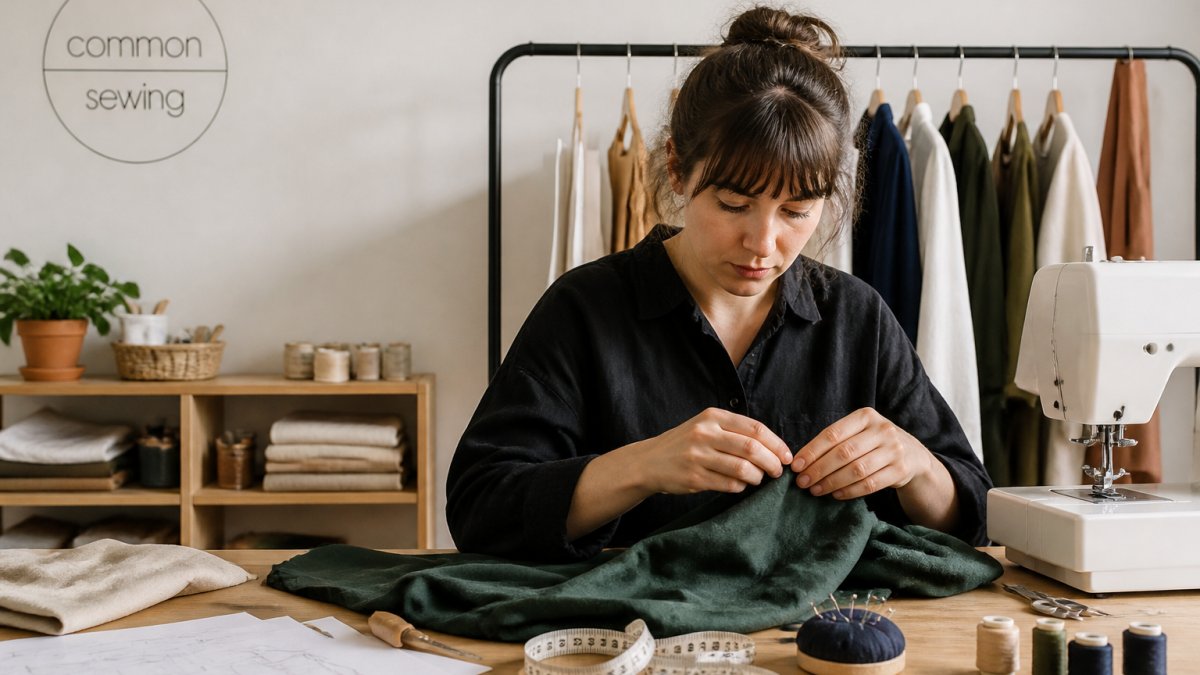
Common Sewing teaches sewing machine operation, textile knowledge, and stitch techniques through a project-based approach that builds finished pieces step by step.
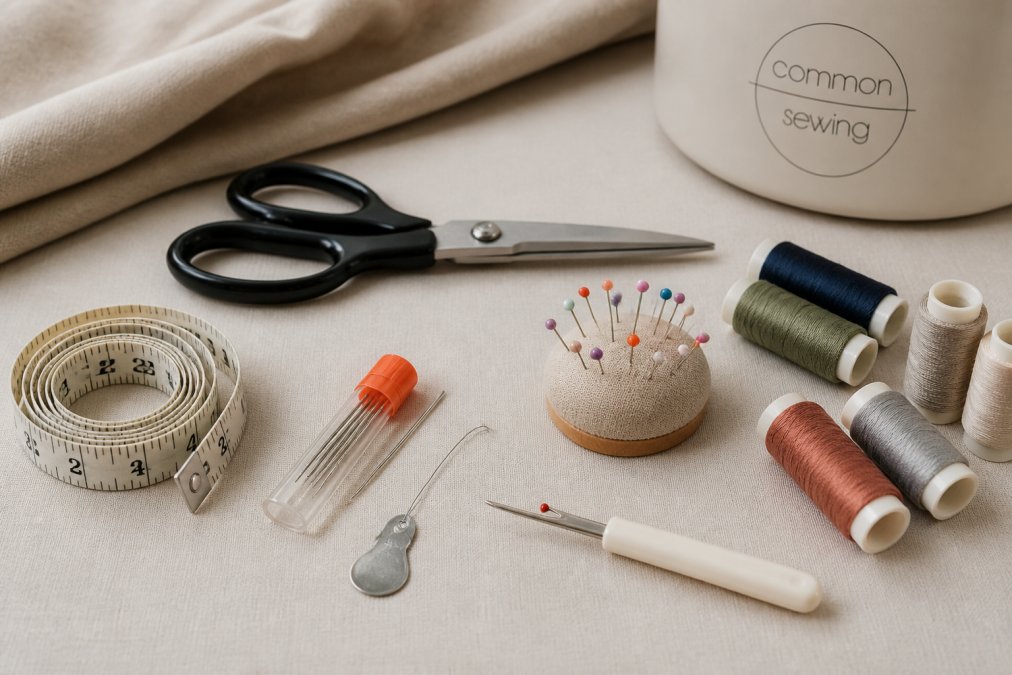
Essential Sewing Tools for Beginners
Essential tools include fabric scissors, measuring tape, pins, thread, needles, seam ripper, and a basic sewing machine.
2. Craftsy, Best for High-Quality Video Instruction
Craftsy delivers professional-grade video instruction with downloadable patterns, progressing from foundational skills to advanced tailoring.
3. University of Fashion, Best for Aspiring Designers
University of Fashion teaches sewing like fashion colleges do, covering draping, pattern making, and professional-level garment construction for aspiring designers.
4. Creativebug, Best Budget Option
Creativebug offers affordable unlimited access to beginner-friendly projects for budget-conscious learners.
Sign up with your email address to receive news and updates. →
5. Udemy, Best for Specific Topics
Udemy sells individual courses on specific topics for $10-30 during frequent sales, ideal for deep-diving on specific skills after learning fundamentals elsewhere.
How Long Does It Take to Learn to Sew
Learning basics takes 20-40 hours; developing confidence to read patterns and adjust fit takes 3-6 months.
| Skill Level | Time Required | Practice Frequency | What You Can Do |
|---|---|---|---|
| Beginner | 20-40 hours | 5 hours/week | Sew straight seams, thread machine, complete simple projects |
| Intermediate | 3-6 months | 5-8 hours/week | Read patterns, adjust fit, repair clothes, create basic garments |
| Advanced | 6-12 months | 8+ hours/week | Tailor garments, modify patterns, create fitted pieces |
| Professional | 1-2 years+ | 15+ hours/week | Bespoke construction, pattern design, professional-level work |
Comparison Table: Structured Online Sewing Courses
| Platform | Starting Price | Best For | Standout Feature | Learning Style |
|---|---|---|---|---|
| Common Sewing | Visit website for pricing | Beginners wanting confidence | Project-based with professional tailor instruction | Structured, step-by-step |
| Craftsy | $7.99/month or $79.99/year | High-quality video instruction | Professional production quality | Video-based with downloadable patterns |
| University of Fashion | $19/month or $189/year | Aspiring designers | Professional industry standards | Technical, detailed instruction |
| Creativebug | $7.95/month | Budget-conscious beginners | Affordable access to full library | Quick, beginner-friendly projects |
| Udemy | $10-30 per course | Specific skill topics | Massive variety of niche courses | Individual topic deep-dives |
Frequently Asked Questions
What should I look for in a structured sewing curriculum?
A strong curriculum builds foundational skills in order: sewing machine operation, basic stitches, seam allowance, fabric selection, and garment construction. Look for project-based learning that teaches practical skills rather than theory alone. Instructor feedback, clear video instruction, and troubleshooting support help you progress confidently. Courses that emphasize hands-on practice and pattern interpretation prepare you for real-world sewing projects.
How long does it take to learn to sew through an online course?
Most beginners grasp foundational sewing machine operation and basic stitches within 2-4 weeks of consistent practice. Developing confidence with garment construction and pattern drafting typically takes 8-12 weeks. Timeline depends on how often you practice and the complexity of projects you tackle. Self-paced courses let you progress at your own speed, while instructor-led programs provide structure and accountability that can accelerate learning.
Are free online sewing classes as effective as paid structured programs?
Free tutorials on YouTube are helpful for specific techniques but often lack progression and structure. Paid structured courses build skills systematically, with curriculum designed to replace fragmented learning. They offer instructor feedback, downloadable patterns, and community support that free videos typically don't provide. For serious skill development and confidence-building, a structured program with clear progression is more effective than piecing together random tutorials.