 ultimate-guide
Is Sewing a Difficult Hobby to Learn? The Real Answer
Table of Contents
- Is Sewing a Difficult Hobby to Learn? The Honest Truth
- Why Beginners Struggle: The Learning Curve and How Long It Takes
- Essential Sewing Tools for Beginners and What You Actually Need
- Frequently Asked Questions
Last Updated: September 30, 2026
Is Sewing a Difficult Hobby to Learn? The Honest Truth
Yes, sewing has a learning curve. But calling it "difficult" misses the real story. The truth is that sewing is moderately challenging at first, then becomes rewarding once you push past the initial frustration. Most beginners struggle not because sewing is inherently hard, but because they approach it without a clear path forward. The ones who succeeded weren't more talented, they followed a structured progression that built confidence step by step.
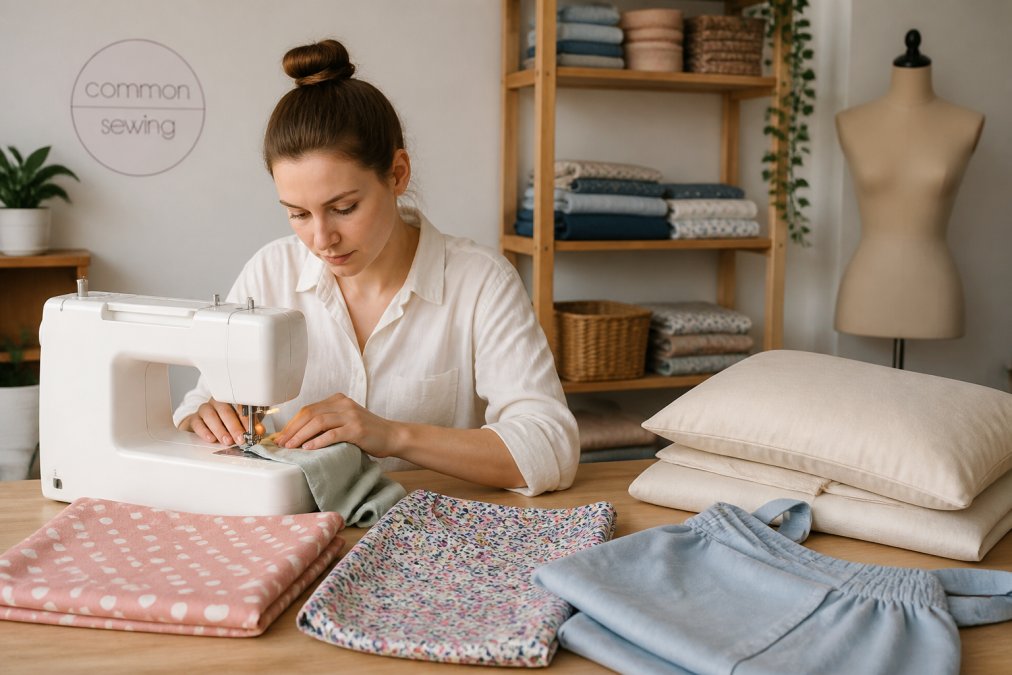
Is sewing a difficult hobby to learn? The answer depends on your expectations. If you expect to sew perfectly fitted garments in your first week, yes, you'll be disappointed. If you're willing to spend 4-8 weeks building foundational skills through intentional practice, the difficulty drops dramatically. The real challenge isn't the mechanics of sewing, it's developing the patience and problem-solving skills that separate hobbyists from people who actually finish projects.
Why Beginners Struggle: The Learning Curve and How Long It Takes
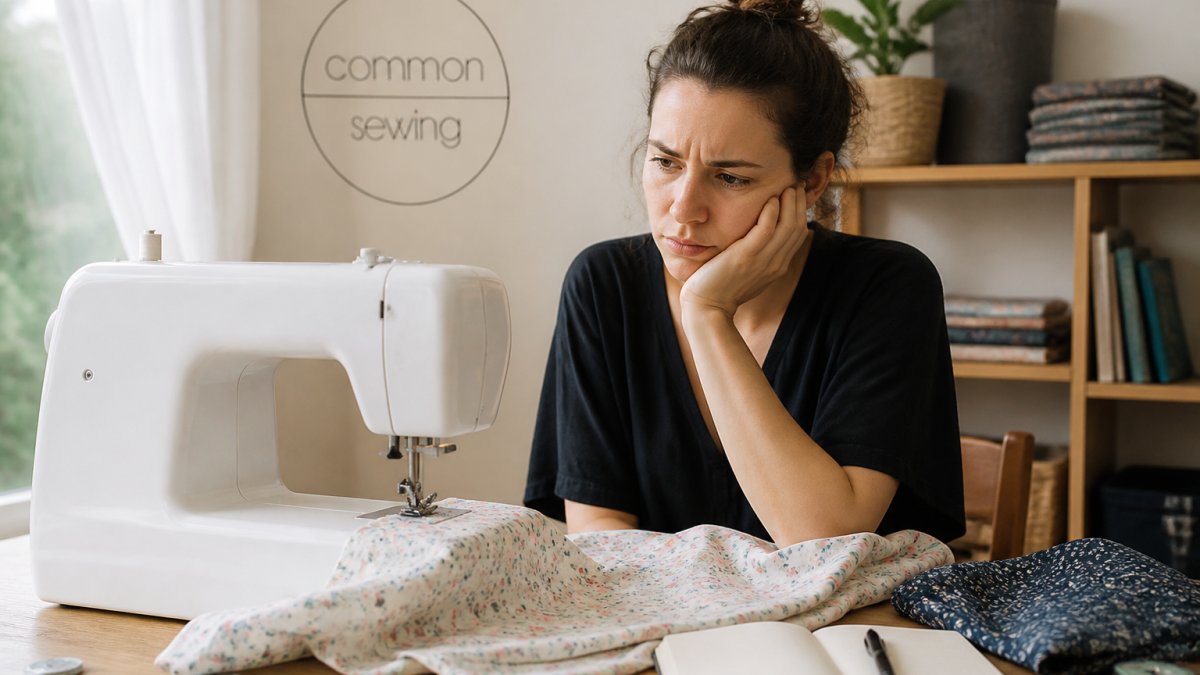
The initial learning curve is real. Most beginners hit a wall between weeks two and four when the novelty wears off and technical problems emerge. Tension issues, crooked seams, and pattern confusion are common frustrations at this stage. This is where many people quit, convinced they're "not cut out for sewing."
What actually happens is simpler: you're learning. Seam allowance precision, fabric handling, and machine tension all require hands-on practice. A structured approach helps tremendously here. Rather than jumping between random YouTube tutorials, following a project-based curriculum that intentionally builds skills creates momentum. Most people can master basic stitching techniques within 2-3 weeks of consistent practice. Intermediate skills, like fitting adjustments and more complex patterns, typically take 8-12 weeks of regular work.
The key variable isn't talent. It's consistency and having a troubleshooting framework when things go wrong. When you know why a seam puckered or how to adjust tension, the frustration dissolves into problem-solving, which is actually engaging.
Essential Sewing Tools for Beginners and What You Actually Need
You don't need much to start. Here is your basic sewing kit: A sewing machine, thread, fabric, needles, scissors, and a measuring tape cover 90% of beginner projects. The mistake most newcomers make is buying every gadget they see, then feeling overwhelmed by clutter.
Sign up with your email address to receive news and updates. →
Start with these essentials:
- A reliable sewing machine (doesn't need to be fancy)
- Quality thread in basic colors
- Fabric scissors dedicated to fabric only
- A measuring tape and ruler
- Hand-sewing needles for finishing work
- Pins or pattern weights to hold fabric in place
Skip the fancy rotary cutters, sergers, and embroidery machines for now. Master the fundamentals first. Once you've completed several projects and understand your actual needs, add tools strategically. This approach keeps your setup simple and your learning focused on what matters: developing real stitching skill and the patience to see projects through to completion.
Frequently Asked Questions
How long does it usually take to learn to sew?
Most beginners develop basic competency within 3-6 months of consistent practice. The learning curve is steepest in the first month, when you're mastering tension, seam allowance, and fabric handling. By month two, frustration typically decreases as you complete your first projects. Reaching intermediate skill level—where you can tackle fitting and more complex patterns—usually takes 6-12 months of regular practice. Patience and consistent practice matter more than raw talent.
What essential sewing tools for beginners should I buy first?
Start with a reliable sewing machine, quality fabric scissors, pins, needles, thread, a measuring tape, and seam ripper. Avoid buying every gadget at once. A seam ripper becomes invaluable when you need to troubleshoot mistakes. A good measuring tape prevents fitting problems later. You don't need expensive tools to build foundational skills—focus on mastering basic stitching and tension before investing in advanced equipment.
What's the easiest sewing project to start with?
Pillowcases, simple drawstring bags, and basic aprons are ideal beginner projects. They teach straight seams, seam allowance accuracy, and pressing without the complexity of fitting or pattern interpretation. These projects build confidence quickly because they're forgiving and rewarding. Once you complete one successfully, you've proven to yourself that sewing is achievable, which is often the biggest hurdle for beginners considering whether to continue or quit.
Ready to build sewing confidence with a structured plan? Common Sewing's project-based curriculum guides you through essential skills in the right order, replacing fragmented tutorials with a clear path from beginner to confident maker. Sign up with your email address to receive news and updates about how to start sewing with ease.