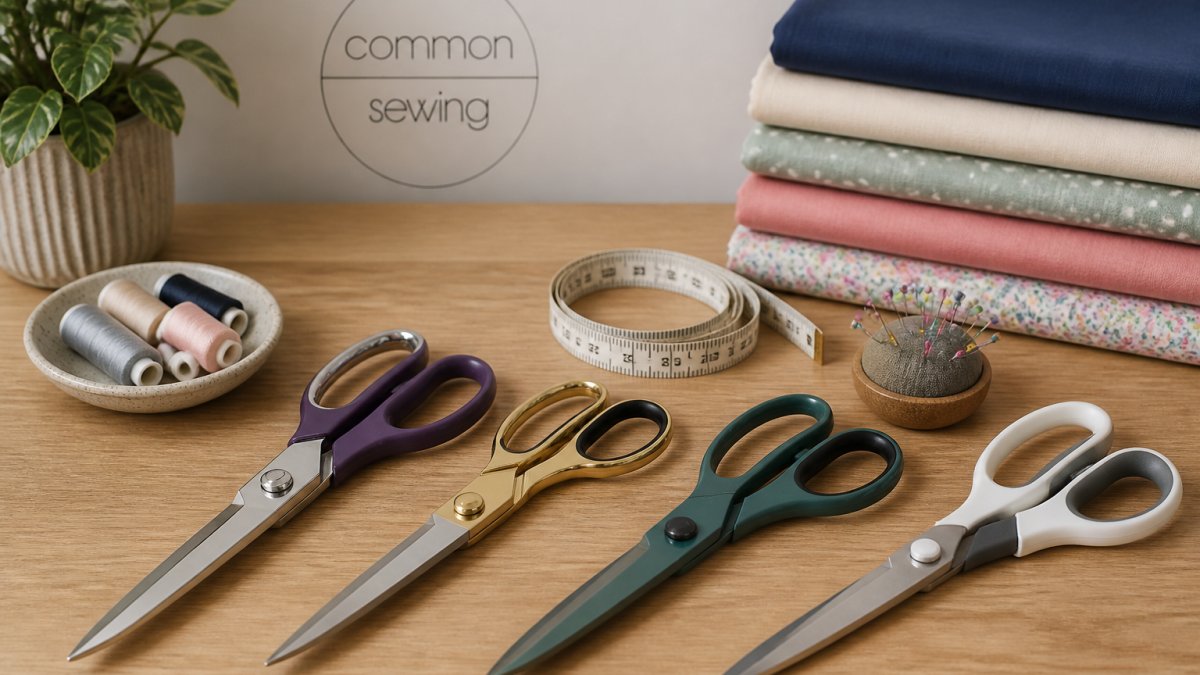
 listicle
5 Best Fabric Scissors for Beginners 2026
Table of Contents
- 5 Best Fabric Scissors for Beginners
- How to Choose Fabric Scissors That Match Your Needs
- Fabric Scissors Size Guide: What Length Works Best
- Frequently Asked Questions
Last Updated: October 7, 2026
5 Best Fabric Scissors for Beginners
The right fabric scissors for beginners improve your sewing from day one. Here are five that work.
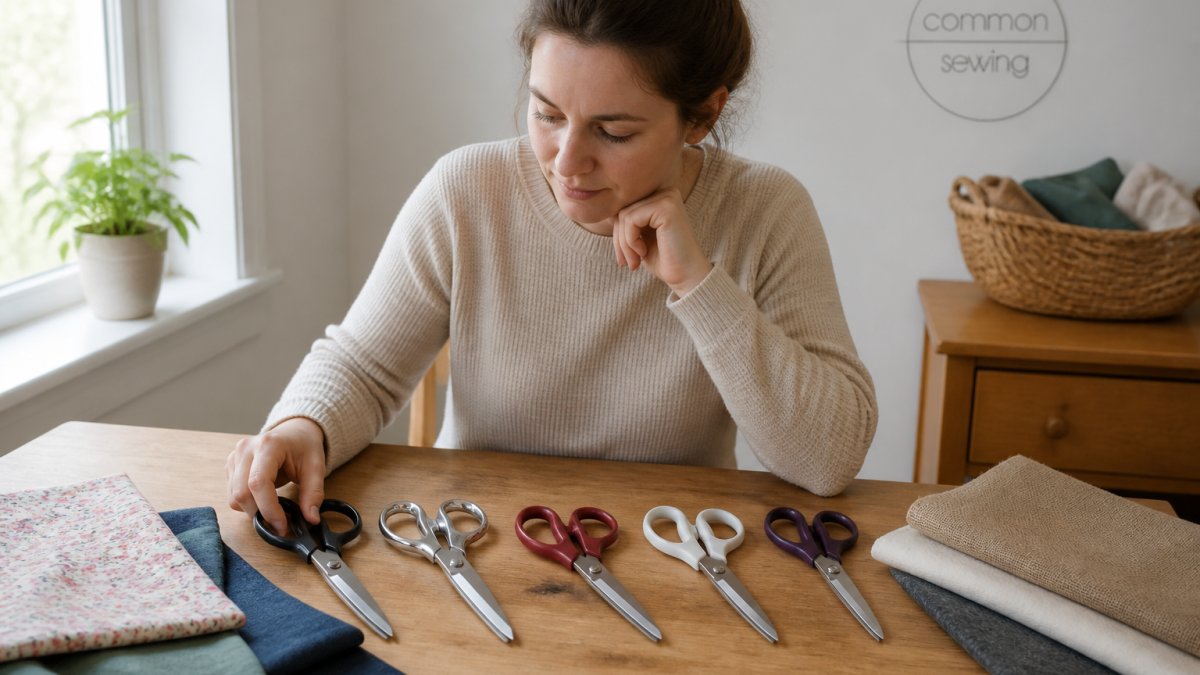
Quick Picks:
- Best Overall: Kai 5" Sewing Scissors
- Best Full-Size: Gingher's 8"
- Best Budget: Fiskars Original Handled 8"
- Best for Pinking: Kai 8" Pinking Shears
- Best Compact: Gingher 5" Knife Edge Sewing Scissors
1. Kai 5" Sewing Scissors, Best Overall
The Kai 5" scissors are the best overall pick: sharp, precise cuts in a size that doesn't intimidate. Five inches handles most early-project layers and stays sharp longer than budget alternatives, though large pattern pieces or heavy upholstery need something longer.
2. Gingher's 8", Best Full-Size Option
Gingher's 8" scissors are the full-size workhorse, handling pattern pieces and seam allowances across multiple layers. The blade length gives coverage smaller scissors can't match, so you finish faster with less hand fatigue.
3. Fiskars Original Handled 8", Best Budget Pick
The Fiskars Original Handled 8" delivers full-size cutting coverage at a beginner-friendly price. They work well on lightweight to medium-weight fabrics, though they won't stay sharp as long as premium options.
4. Kai 8" Pinking Shears, Best for Pinking
Pinking shears create a zigzag cut that prevents fraying and adds a decorative edge. The Kai 8" pinking shears do both jobs well, making the difference between a finished-looking edge and one that looks homemade in a bad way.
5. Gingher 5" Knife Edge Sewing Scissors, Best Compact Pair
Forged steel construction and a blade that stays sharp to the point make these compact scissors professional-grade. They outlast cheaper alternatives by years, and the knife-edge blade cuts delicate fabrics without crushing them.
How to Choose Fabric Scissors That Match Your Needs
Fabric scissors for beginners should match project size, fabric weight, and hand size.
Blade length determines cutting coverage: five-inch scissors suit detail work, while eight-inch scissors handle pattern pieces without multiple passes. Smaller hands get better control from five-inch scissors.
Blade sharpness is non-negotiable: dull scissors crush fibers, causing fraying and uneven seams. Look for "sharp to the point" or "forged steel".
Blade material affects durability: high-carbon steel holds its edge longer; stainless steel resists rust.
Sign up with your email address to receive news and updates. →
Handle comfort matters: ergonomic and bent designs reduce hand fatigue. Left-handers should confirm scissors are truly left-handed, since many "universal" pairs favor right-handed users.
| Feature | 5" Scissors | 8" Scissors | Pinking Shears |
|---|---|---|---|
| Best For | Detail work, small projects | Pattern pieces, general cutting | Decorative edges, preventing frays |
| Blade Length | Compact, easy control | Full cutting coverage | Standard 8" with zigzag blade |
| Hand Size | Better for smaller hands | Works for most hand sizes | Standard grip |
| Learning Curve | Easiest to master | Slight adjustment needed | Used after basic skills develop |
Fabric Scissors Size Guide: What Length Works Best
Scissor size determines how much fabric you cut in one motion and how much control you have.
Five-inch scissors are ideal for beginners: easier to control and perfect for curves, thread trimming, and smaller projects, with less hand fatigue.
Eight-inch scissors are the standard full-size option, handling larger cuts across pattern pieces and multiple layers. Most sewists keep both sizes, since they're complementary tools.
Left-handed versus right-handed matters more than many beginners realize. True left-handed scissors reverse the blades for your dominant hand, while "universal" pairs often favor one side, so verify the description explicitly says "left-handed."
The best fabric scissors for beginners are the ones you'll actually use consistently. Start with one comfortable quality pair, then expand as your projects grow.
Learning to sew opens up possibilities you might not have considered, repairing your favorite clothes, creating handmade gifts, tailoring pieces that actually fit your body. The right tools matter, but guidance matters more. Common Sewing provides step-by-step instruction from experienced tailor Bonnie, with a project-based approach designed to build your skills from the ground up instead of overwhelming you with fragmented tutorials. Learn more about structured sewing education and start your first project with confidence. Sign up with your email address to receive news and updates about our latest lessons and resources.
Frequently Asked Questions
What size fabric scissors should a beginner choose?
Beginners typically do best with 5-inch to 8-inch fabric scissors. Five-inch scissors offer precision for detailed cuts and are easier to control, making them ideal if you're new to sewing. Eight-inch shears provide more cutting coverage and work well for larger fabric pieces. Choose based on the types of projects you'll tackle first, detailed garment work favors smaller scissors, while general cutting and quilting benefit from full-size shears.
Are Fiskars or Westcott scissors better for sewing?
Both brands offer beginner-friendly options, but they serve different needs. Fiskars scissors typically emphasize value and ergonomic handles, making them accessible for budget-conscious beginners. Westcott scissors focus on precision cutting edges. For fabric work specifically, dedicated fabric scissors from brands like Gingher or Kai often outperform general-purpose scissors from either brand because they're designed with blade geometry that grips and cuts fabric cleanly rather than crushing it.
How do you keep fabric scissors sharp?
Store your fabric scissors in a protective cover or sheath to prevent edge damage. Use them only on fabric, cutting paper, thread, or other materials dulls the blade quickly. Avoid dropping them or using them to cut through pins. For professional sharpening, send them to a scissors-sharpening service annually if you sew regularly. Never attempt to sharpen fabric scissors yourself unless you're trained; improper sharpening can ruin the blade geometry and make them unusable for clean fabric cuts.