 listicle
Best Sewing Classes for Adults in 2026
Table of Contents
- Best Sewing Classes for Adults: Quick Comparison
- Essential Sewing Tools for Beginners You'll Learn to Use
- How Long Does It Take to Learn to Sew and Build Real Skills
- Frequently Asked Questions
Last Updated: October 1, 2026
Best Sewing Classes for Adults: Quick Comparison
Choosing sewing classes for adults depends on your learning style, budget, and preference for hands-on versus self-paced instruction.
1. Common Sewing, Best for Beginners Who Need Structure
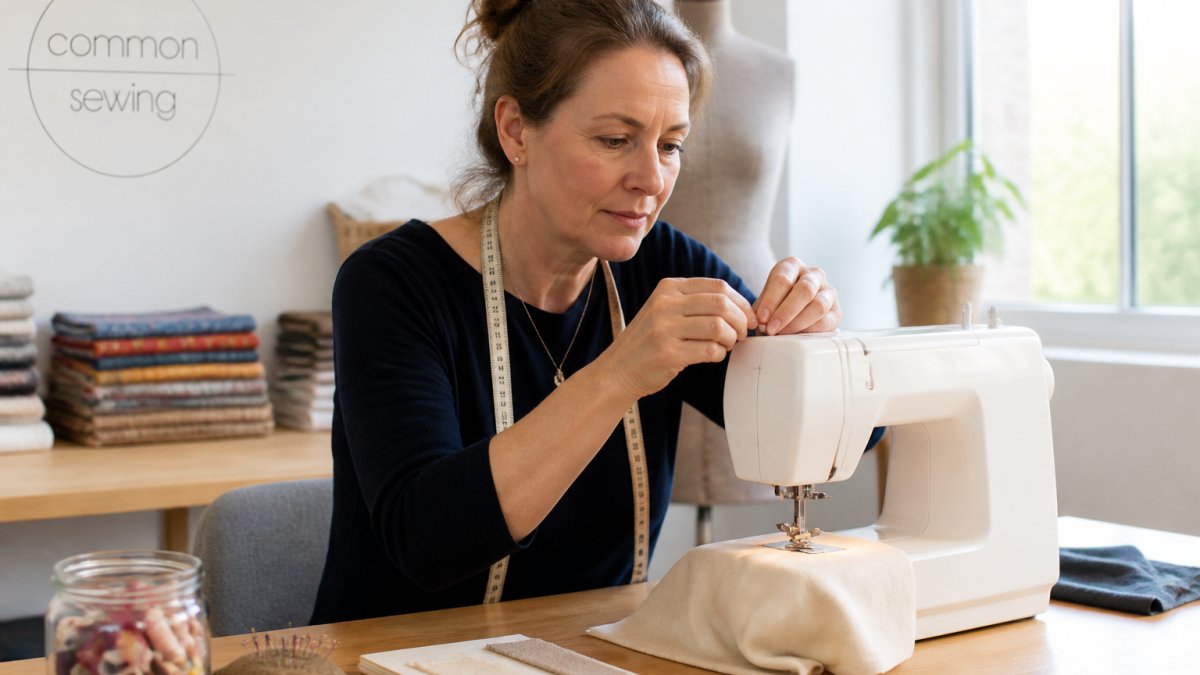
Common Sewing offers a project-based curriculum with progressive projects that build foundational skills for beginners seeking structure.
2. Fabricate Studios, Best for Beginners Without Equipment
Fabricate Studios includes equipment rental in their Sewing 101 course, eliminating upfront machine costs while providing real-time feedback.
3. Closet Core Patterns, Best for Garment Construction
Closet Core Patterns specializes in garment construction and pattern drafting for adults focused on making clothes.
4. The New York Sewing Center, Best for Intensive In-Person Learning
The New York Sewing Center offers in-person bootcamps and semester courses with immediate feedback and professional equipment access.
5. PatternReview, Best for Community and Advanced Learning
PatternReview combines expert-led courses with community forums for intermediate sewists seeking peer feedback.
Program | Format | Best For | Key Differentiator |
|---|---|---|---|
Common Sewing | Online, self-paced | Beginners wanting structure | Project-based curriculum with professional guidance |
Fabricate Studios | In-person, scheduled | Beginners without equipment | Equipment rental included |
Closet Core Patterns | Online, self-paced | Garment-focused learners | Specialized clothing construction curriculum |
The New York Sewing Center | In-person, scheduled | Local learners wanting intensive instruction | Fast-track bootcamps and semester courses |
PatternReview | Online, community-based | Intermediate sewists wanting community | Expert courses plus active sewist community |
Essential Sewing Tools for Beginners You'll Learn to Use
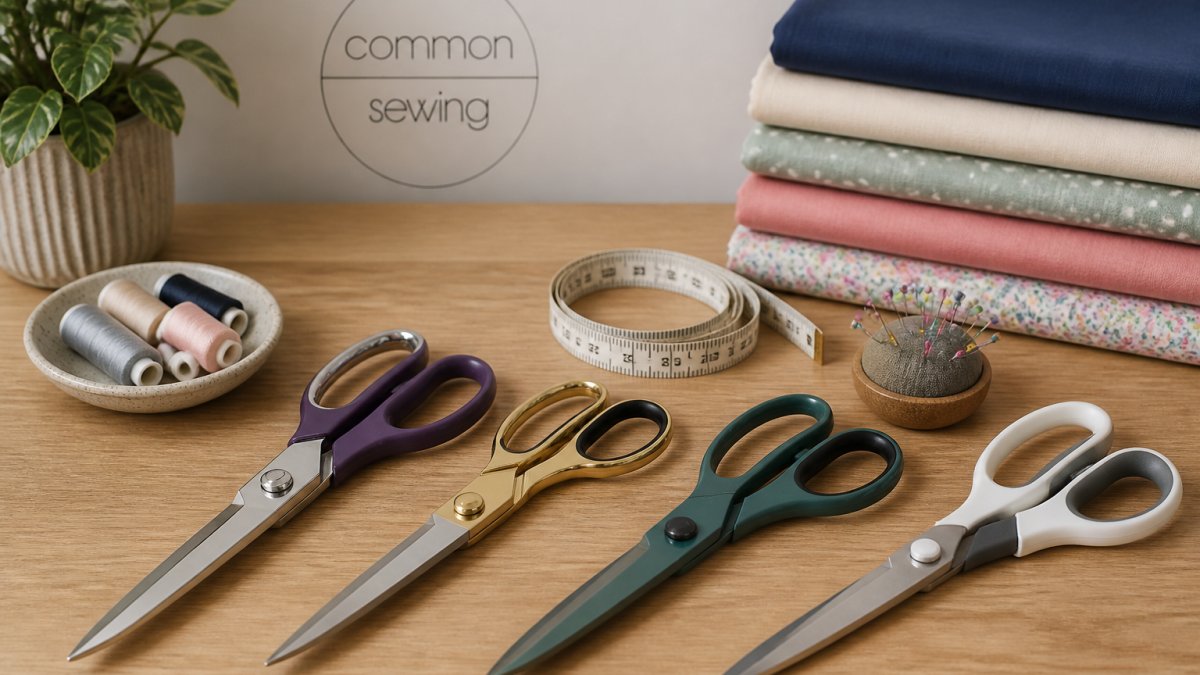
When you start sewing classes for adults, you'll learn sewing machine operation, threading, tension adjustment, and seam allowance as core curriculum.
Sign up with your email address to receive news and updates. →
How Long Does It Take to Learn to Sew and Build Real Skills
Sewing classes for adults typically build basic competency in two to four weeks; constructing simple garments independently takes three to six months.
The Bottom Line
Choose sewing classes for adults based on your needs: Common Sewing for structure, Fabricate Studios or The New York Sewing Center for hands-on access, Closet Core Patterns for garment focus, or PatternReview for community. Consistency matters more than finding the perfect class.
Frequently Asked Questions
How can I learn to sew as an adult with no prior experience?
Start with a structured beginner sewing course that covers sewing machine operation, basic stitches, and hands-on projects. Look for programs that teach one skill at a time through project-based learning rather than jumping between unrelated topics. Online courses offer flexibility, while in-person classes provide immediate feedback. Choose based on whether you prefer self-paced learning or real-time instruction. Most adults gain foundational confidence within 4-8 weeks of consistent practice.
What should a beginner sewing course curriculum include?
A solid beginner sewing course curriculum covers sewing machine basics, threading and bobbin winding, essential stitches and seam allowances, fabric selection, pattern reading, and at least three complete garment projects. Look for courses that progress from simple repairs to basic garment construction. The curriculum should include troubleshooting guidance and build confidence through achievable milestones. Avoid programs that skip machine operation or assume prior knowledge.
Are online sewing classes as effective as in-person instruction?
Online sewing classes work well for self-motivated learners who can pause, rewind, and practice at their own pace. In-person instruction excels when you need immediate feedback on machine tension, seam allowance, or technique adjustments. The best choice depends on your learning style: choose online if you prefer flexibility and structured step-by-step guidance; choose in-person if you benefit from hands-on correction and real-time troubleshooting. Many successful sewists combine both approaches.