 listicle
Simple Clothing Alterations for Sewing Beginners
Table of Contents
- Simple Clothing Alterations for Sewing Beginners
- How to Hem Pants for Beginners
- How to Shorten Sleeves on Blouses and Dresses
- Frequently Asked Questions
Last Updated: October 10, 2026
Simple Clothing Alterations for Sewing Beginners
Simple clothing alterations for sewing beginners let you fix common fit issues, long hems, tight sleeves, gaping waists, without paying a tailor.
With just a needle, thread, and patience, you can master the alterations that matter most.
How to Hem Pants for Beginners
Hemming pants is the ideal starting point: it's forgiving and results are immediately visible.
Try on the pants with the shoes you'll wear them with, fold the excess fabric to the correct length, and have someone mark this fold line with fabric pencil or chalk, cutting too short is costly.
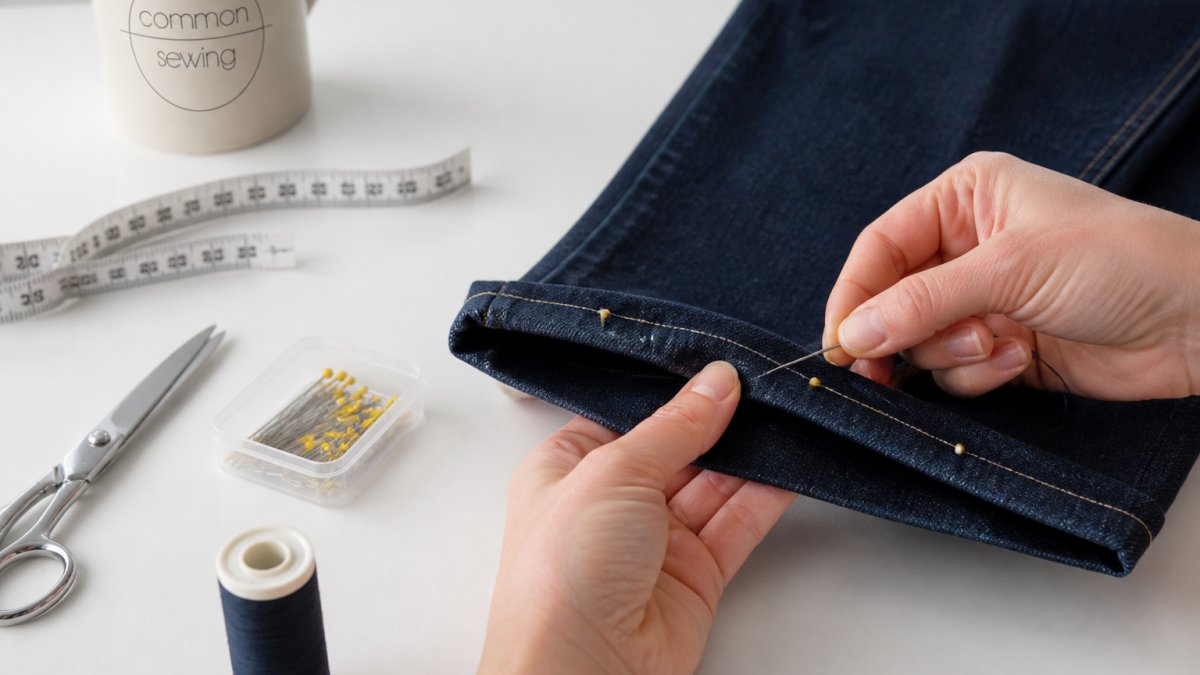
Measure 1.5 inches down from the fold line and mark around the pant leg. Create a double fold, then pin every few inches to prevent shifting.
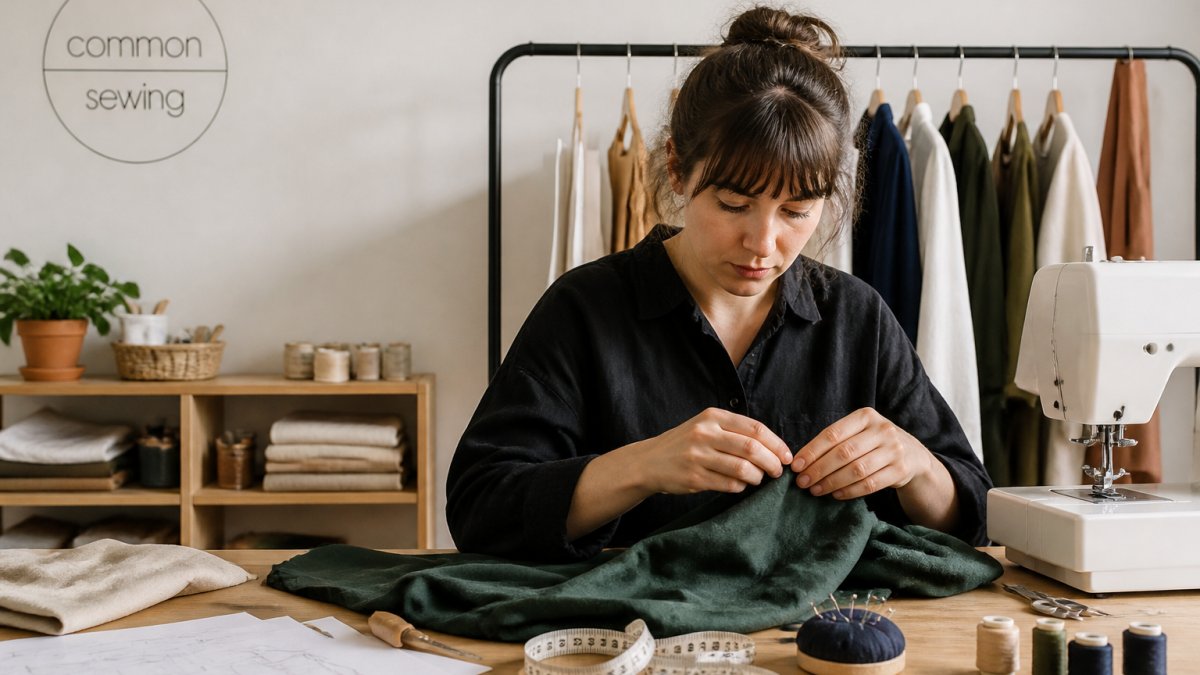
Use a blind stitch with matching thread: push the needle through the fold, catch a few threads of the pant leg, then back into the fold. Keep stitches small and 1/4 inch apart.
How to Shorten Sleeves on Blouses and Dresses
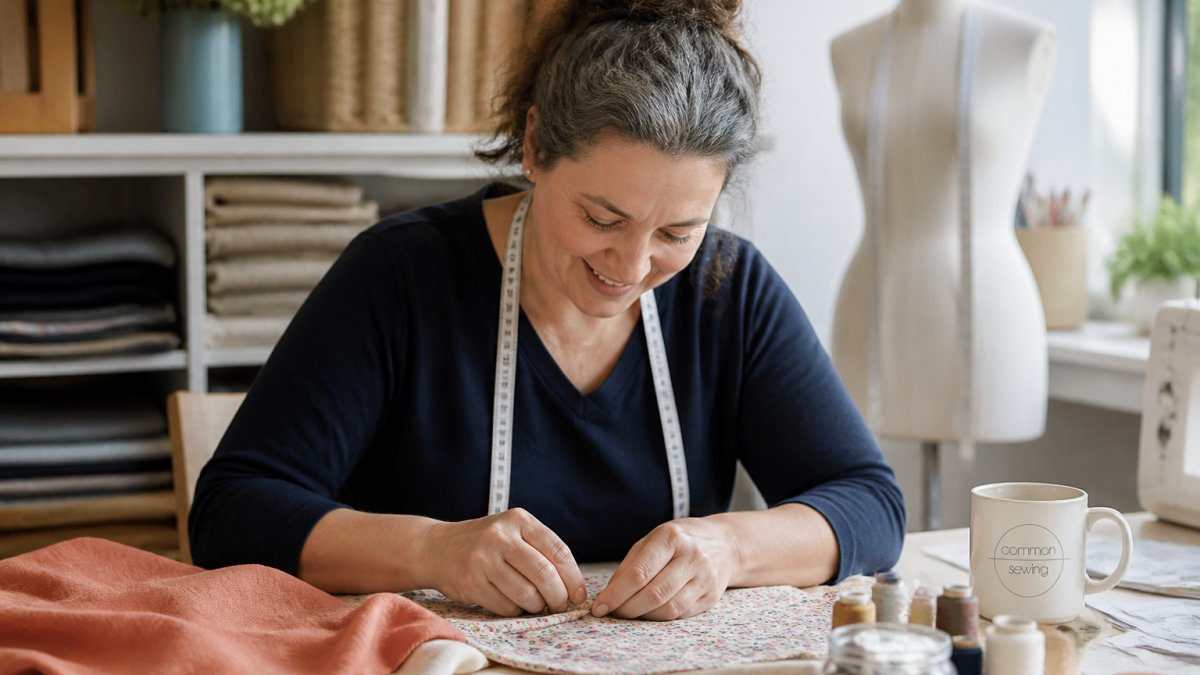
Shortening sleeves follows the same principle as hemming but requires more careful, consistent stitches on delicate fabric.
Sign up with your email address to receive news and updates. →
Try on the garment, fold the sleeve to desired length, and mark with chalk. Measure 1 to 1.5 inches down and mark around the sleeve opening.
Create a double fold and pin every inch around the curved sleeve.
Use the blind stitch technique, working slowly to prevent puckering. For machine sewing, use a stretch stitch or narrow zigzag.
| Alteration | Best For | Time Required | Difficulty |
|---|---|---|---|
| Hemming pants | All pant types | 30-45 minutes | Beginner |
| Shortening sleeves | Blouses, dresses | 20-30 minutes | Beginner |
| Taking in seams | Loose fit | 45-60 minutes | Beginner-intermediate |
Learning simple clothing alterations for sewing beginners transforms how you interact with your closet. Instead of letting clothes gather dust because they don't fit, you gain the confidence and skill to make them wearable. Common Sewing's project-based approach builds these exact skills through hands-on practice. You'll learn to measure accurately, understand fabric behavior, and execute repairs that last. Start with a single pair of pants, master the blind stitch, and watch your ability grow from there.
Frequently Asked Questions
What are the easiest clothing alterations for a beginner to try?
Hemming pants, shortening sleeves, and sewing on buttons are the best starting points for beginners. These projects use basic hand-sewing or machine techniques and don't require complex pattern adjustments. Start with a simple hem on an old pair of pants to build confidence before moving to more visible garments like dress hems or sleeve adjustments.
What basic sewing tools do I need for simple clothing alterations?
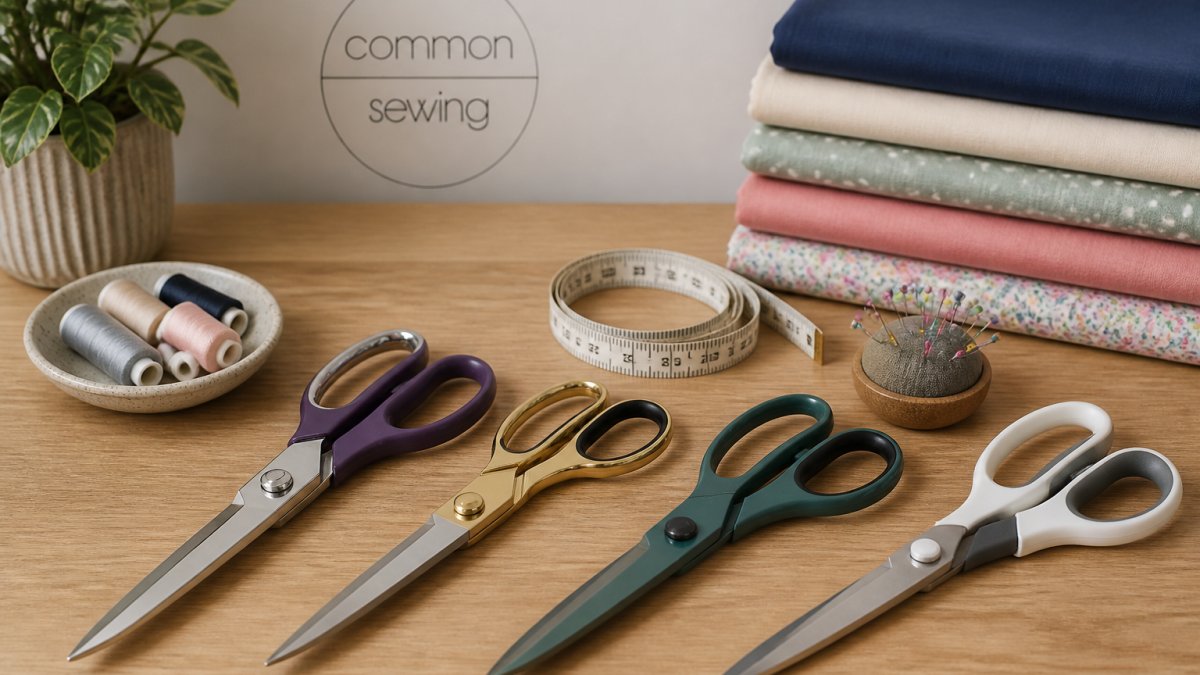
You'll need scissors, a sewing needle or machine, thread, pins, a measuring tape, and chalk or a fabric marker. A seam ripper is helpful for fixing mistakes. If using a machine, a beginner model works well for hemming and basic repairs. Hand-sewing tools cost less and let you practice fundamental techniques before investing in a machine.
Can I hem pants by hand as a beginner?
Yes, hand hemming is one of the best beginner projects. It teaches basic stitch control and doesn't require a sewing machine. Measure the desired length, fold the fabric, pin it, and use a simple running stitch or slip stitch to secure it. Hand hemming takes longer than machine hemming but gives you precise control and builds sewing confidence for future projects.