 listicle
Best Structured Sewing Courses for Beginners
Table of Contents
- What Makes Sewing Courses for Beginners Worth Paying For
- Sewing for Beginners Step by Step: How Common Sewing Builds Your Skills
- Essential Sewing Tools for Beginners: What You Actually Need
- How Long Does It Take to Learn to Sew?
Last Updated: August 22, 2026
What Makes Sewing Courses for Beginners Worth Paying For
The best structured sewing courses deliver logical skill progression that free tutorials rarely provide. A well-designed program teaches garment construction in sequence, from machine setup and bobbin winding through fabric grainline, stitch adjustments, and hem finishing, where each skill builds on the last.
Common Sewing exemplifies this principle. Led by Bonnie, a professional photo shoot tailor with 25 years of experience, the program uses project-based learning where every creation teaches specific skills. According to research on project-based learning outcomes, learners retain significantly more when skills are taught through hands-on application rather than passive instruction. Structured courses also provide troubleshooting support for common failures, thread tension, presser foot issues, bobbin problems, that cause beginners to quit.
Sewing for Beginners Step by Step: How Common Sewing Builds Your Skills
Skill-building in sewing requires steps in the right order. Common Sewing starts with fundamentals: understanding your machine, winding a bobbin, threading the needle, and adjusting thread tension. From there, it moves into fabric selection, reading the grainline, and using a rotary cutter accurately.
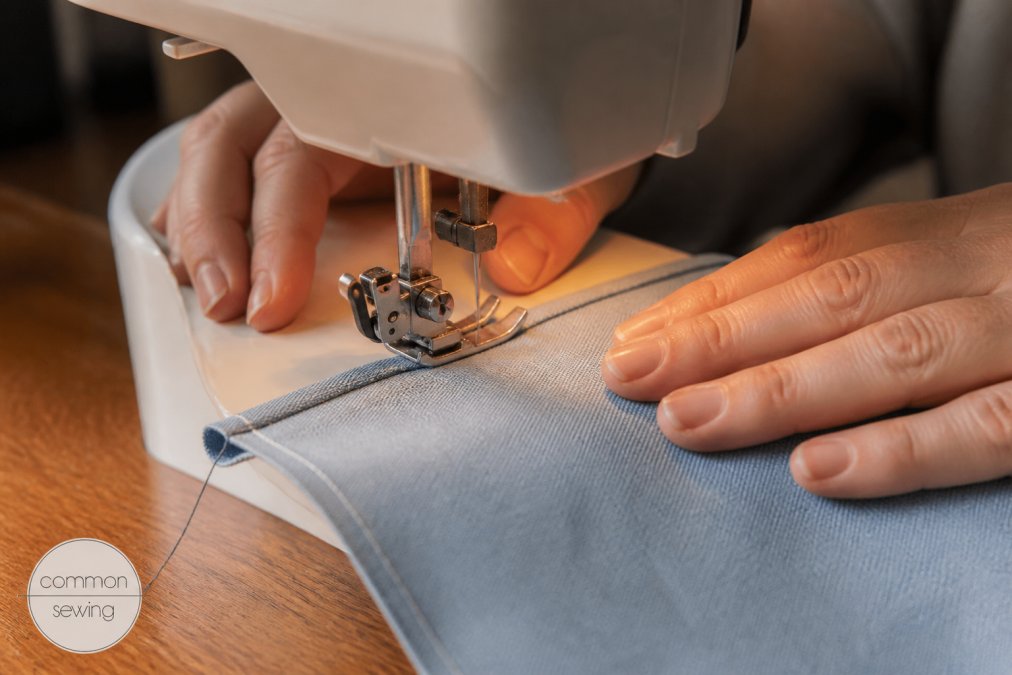
Projects then introduce backstitching, seam finishing with a zigzag stitch, and eventually interfacing and bias tape application. By the time you've finished several pieces, you've built the foundation for garment construction. The American Sewing Guild's guidance on skill development consistently points beginners toward structured programs over self-directed YouTube searches.
Essential Sewing Tools for Beginners: What You Actually Need
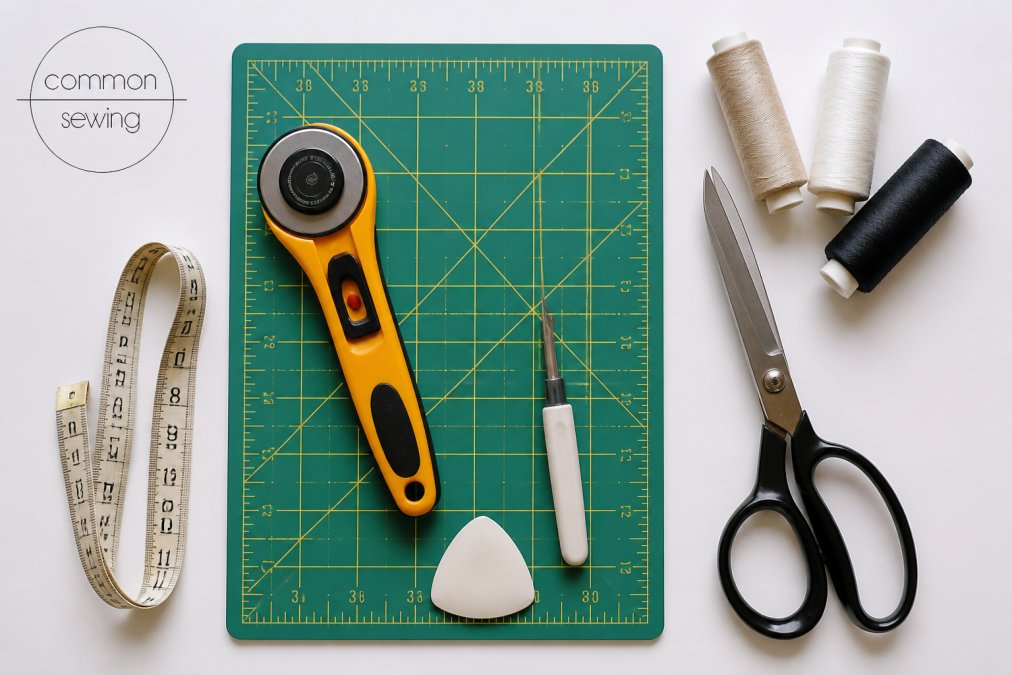
Beginners often overbuy. The essential sewing tools:
- Sewing machine with adjustable stitch length and zigzag function
- Rotary cutter and cutting mat for accurate fabric cuts
- Seam ripper for correcting mistakes
- Tailor's chalk or fabric marking pen for pattern markings
- Measuring tape for body and fabric measurements
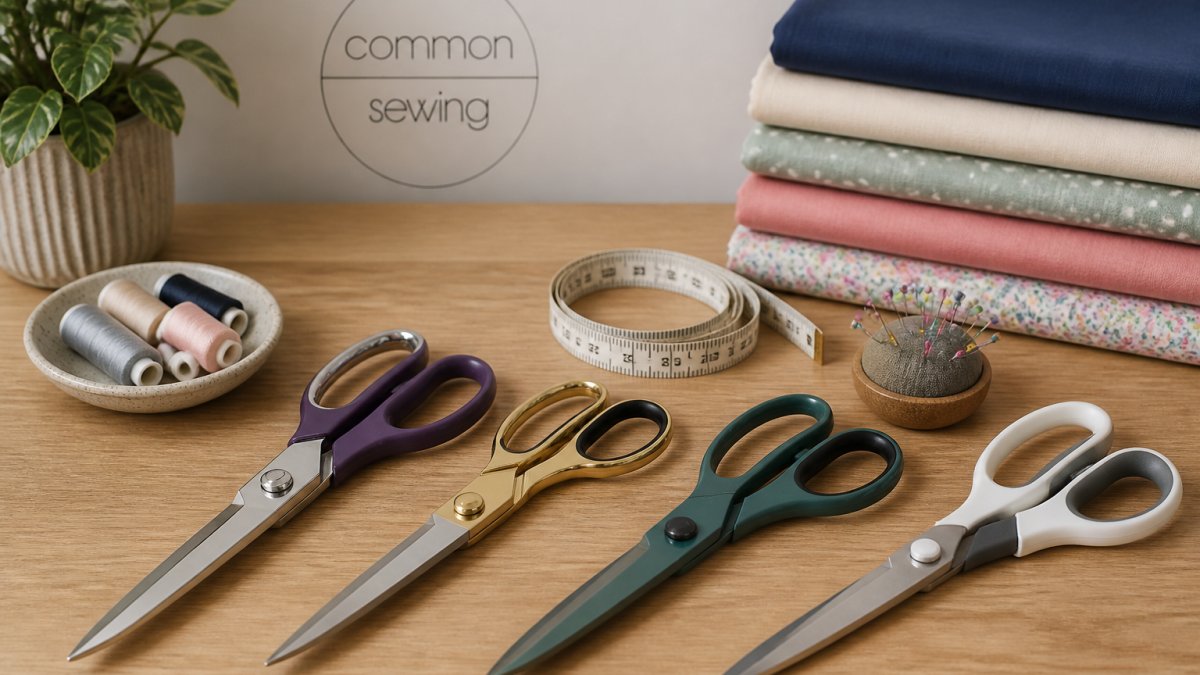
- Fabric scissors (dedicated to fabric only)
- Thread in neutral colors: white, black, and mid-gray
- Pins and pin cushion or wonder clips
A serger is useful later but not essential for beginners. Buy a quality seam ripper, cheap ones snag fabric and make unpicking mistakes frustrating when learning.
| Tool | Why You Need It | Priority |
|---|---|---|
| Sewing machine | Core equipment for all projects | Essential |
| Rotary cutter + mat | Accurate fabric cutting | Essential |
| Seam ripper | Correcting mistakes cleanly | Essential |
| Tailor's chalk | Pattern and seam marking | Essential |
| Fabric scissors | Clean cuts without fraying | Essential |
| Serger | Professional edge finishing | Later stage |
How Long Does It Take to Learn to Sew?
Most beginners can complete a simple project like a pillowcase within their first few hours of structured practice. Reaching comfort with garment construction typically takes several months of consistent work (peer-reviewed research).
Sign up with your email address to receive news and updates. →
The honest answer depends on how often you practice, whether you follow a structured curriculum, and what "learning to sew" means to you. Repairing clothes and hemming trousers are achievable within weeks. Drafting patterns and tailoring fitted garments takes longer, often six months to a year of regular practice. What slows most beginners isn't lack of talent but the gap between watching a technique and executing it without clear next steps. Structured programs close that gap.
A realistic timeline for most learners following a structured path:
- Weeks 1-2: Machine setup, bobbin winding, straight stitch, basic fabric handling
- Weeks 3-6: Simple projects, seam finishing, backstitching, using a seam ripper
- Months 2-4: Intermediate projects, interfacing, hem finishing, reading simple patterns
- Months 4-12: Garment construction, fitting adjustments, complex techniques
Sewing is a skill that compounds. The first project is hardest. By the tenth, your hands know what to do before your brain catches up. The challenge is getting through early stages without losing momentum to confusion or frustration. Common Sewing's structured, project-based curriculum gives beginners the sequence and support to finish what they start. Sign up with your email address at Common Sewing to receive updates and get started on a learning path built around real skill progression, not random tutorials.
Frequently Asked Questions
What should a beginner look for in a structured sewing curriculum?
A good beginner curriculum builds skills in a logical sequence rather than jumping between unrelated projects. Look for courses that start with machine basics, bobbin winding, tension adjustment, stitch length, before moving into garment construction. Project-based learning works well because each finished piece reinforces the previous lesson. Also check whether the instructor explains fabric types, seam allowance, and hem finishing, since these fundamentals determine whether your projects actually look professional.
Are online sewing courses worth the money compared to free YouTube tutorials?
Free tutorials are useful for isolated techniques, but they rarely follow a structured progression. Most beginners who rely on YouTube alone get stuck because the videos assume different baseline knowledge and don't build on each other. A structured sewing course for beginners sequences lessons deliberately, so you're not piecing together advice from a dozen different sources. If you've already tried free content and still feel lost, a paid program with a clear curriculum structure is usually worth the investment.
How long does it take to learn sewing basics?
Most beginners can complete simple projects, straight seams, basic hems, and repairs, within a few weeks of consistent practice. Reaching the point where you can read a pattern, cut fabric on the grainline, and finish seams cleanly typically takes two to three months of regular sessions. Garment construction at a confident level, including fitting adjustments and interfacing, generally takes six months or more. A structured course shortens that timeline because you're not troubleshooting avoidable mistakes caused by skipping foundational steps.
This article was written using GrandRanker