 listicle
Best Way to Learn Sewing Online: A Step-by-Step Guide
Table of Contents
- Why the Best Way to Learn Sewing Online Starts with Structure
- Essential Sewing Tools for Beginners: What You Actually Need
- How Long Does It Take to Learn to Sew? A Realistic Timeline
- Choosing Your Learning Path: Free Tutorials vs. Structured Courses
- Your Step-by-Step Roadmap to Sewing Success
- Troubleshooting Common Sewing Problems
- Digital vs. Paper Patterns: Managing Your Projects
- Final Thoughts on Learning to Sew Online
- Frequently Asked Questions
The Best Way to Learn Sewing Online: A Structured Guide for Beginners
Last Updated: September 7, 2026
Learning to sew online is the most flexible way to build a skill that saves money, sparks creativity, and lets you repair or tailor your own clothes. But the best way to learn sewing online isn't watching random videos; it's following a structured path that builds skills in the right order. This guide from Common Sewing breaks down that path, starting with the tools you truly need and a realistic timeline for progress.
Most beginners abandon sewing because fragmented tutorials skip fundamentals like seam allowance and thread tension. A structured approach sequences skills logically: master the straight stitch, then the zigzag, then garment construction, so every practice session builds on the last.
Why the Best Way to Learn Sewing Online Starts with Structure
A structured curriculum sequences skills deliberately: you learn to wind a bobbin and adjust tension before attempting a zipper. Each project teaches one or two new techniques, reinforcing prior practice.
Essential Sewing Tools for Beginners: What You Actually Need
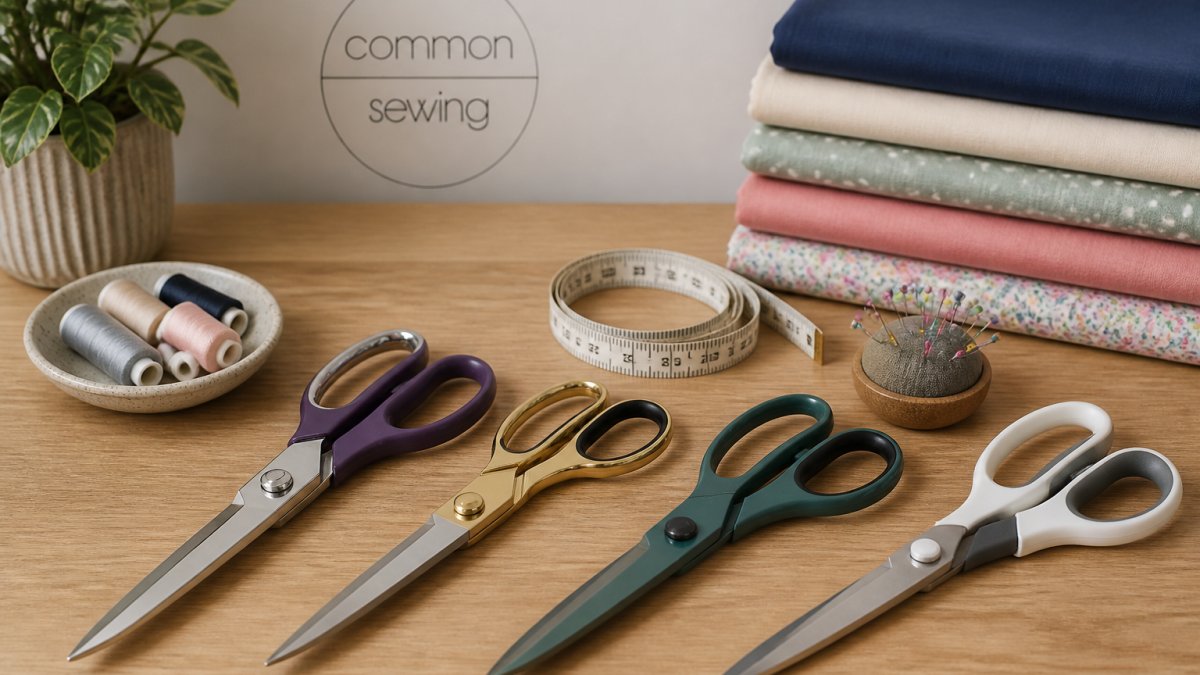
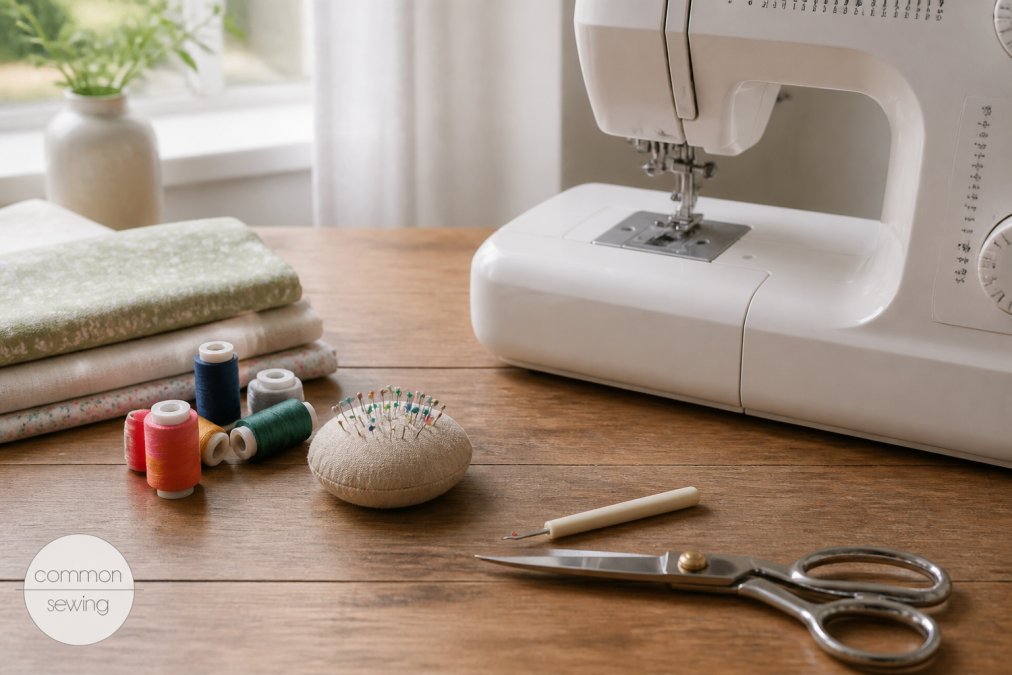
You don't need a fully stocked studio to start. Most beginners can begin with a functional sewing machine, fabric scissors, glass-head pins, a seam ripper, and quality thread. Invest early in a good iron, pressing seams separates professional-looking garments from homemade ones.
| Tool | Purpose | Priority |
|---|---|---|
| Sewing machine | All stitching tasks | Essential |
| Fabric scissors | Clean, accurate cutting | Essential |
| Seam ripper | Fixing mistakes safely | Essential |
| Iron & board | Pressing seams and hems | High |
How Long Does It Take to Learn to Sew? A Realistic Timeline
Most beginners can complete their first simple project, like a cushion cover or tote bag, within their first week of consistent practice. Mastering basics like straight stitching takes several weeks; constructing a simple skirt takes a few months. The key variable is consistency, not talent: thirty minutes several times a week beats a monthly marathon.
Choosing Your Learning Path: Free Tutorials vs. Structured Courses
Free tutorials are excellent for quick refreshers but lack a logical sequence. Structured courses provide a comprehensive curriculum from beginner to confident sewist. Skillshare, Craftsy, and Domestika offer varied options.
The University of Fashion's guide to learning sewing fundamentals highlights that scaffolded learning, where each lesson builds on the previous one, is critical for retaining complex motor skills like sewing.
Your Step-by-Step Roadmap to Sewing Success
Set up a well-lit space; learn your machine's threading, bobbin, and tension; master straight, back, and zigzag stitches; complete a simple project like a tote bag; learn to read patterns; try a garment like an elastic-waist skirt; and troubleshoot as you go.
Troubleshooting Common Sewing Problems
Most beginner problems trace back to thread tension, needle issues, and incorrect fabric handling. Looping stitches mean top tension is too loose; puckering means tension is too tight or the needle is dull.
The Sewing Machine Shop's troubleshooting guide recommends always testing your stitch on a scrap piece of the same fabric before starting your project. The best way to learn sewing online includes learning how to fix mistakes like fabric jamming, uneven stitches, and broken threads.
Digital vs. Paper Patterns: Managing Your Projects
Digital PDF patterns can be printed at home, stored on a tablet, and resized easily; paper patterns require careful folding and storage. Some sewists use a hybrid approach, storing digital files on a tablet while cutting from paper.
Final Thoughts on Learning to Sew Online
The best way to learn sewing online combines structured instruction with hands-on practice. Common Sewing's project-based program, led by a professional photo shoot tailor with 25 years of experience, replaces fragmented tutorials with a clear path to confidence. The Craft Council's resources on learning new skills notes that structured, project-based learning significantly improves skill retention and confidence in creative hobbies.
Frequently Asked Questions
Can I teach myself to sew online?
Yes, you can teach yourself to sew online, but the best way to learn sewing online is through a structured program rather than random YouTube videos. A step-by-step curriculum builds skills in the right order, starting with machine basics before moving to seams, hems, and garment construction. Free tutorials work for quick fixes, but a project-based course ensures you master each technique before advancing.
What is the best online sewing course for a beginner?
The best structured sewing courses for beginners combine video lessons with hands-on projects. Common Sewing offers a project-based program led by experienced photo shoot tailor Bonnie. Look for courses that cover essential sewing tools for beginners, offer troubleshooting support, and progress from simple projects to tailoring.
How long does it take to learn sewing online?
Most beginners finish their first simple project within a few hours of starting a structured course. With consistent practice, you can master straight stitches, seam allowances, and pressing within 2 to 4 weeks. Learning to sew clothes that fit well typically takes 3 to 6 months of regular project work. The timeline depends on how often you practice.
Learning to sew online is a journey, but it doesn't have to be a confusing one. The challenge is finding guidance that builds your skills in the right order, so you never feel lost or overwhelmed. Common Sewing offers exactly that: a step-by-step curriculum where each project teaches you something new, all under the guidance of an expert tailor. Sign up with your email address to receive news and updates, and start making things you're proud of.