 ultimate-guide
How to Learn Sewing from Scratch: 2026 Guide
Table of Contents
- Essential Sewing Tools for Beginners
- Sewing Machine Basics for Beginners
- Easy Sewing Projects for Beginners to Build Real Skills
- How Long Does It Take to Learn to Sew from Scratch
Last Updated: August 23, 2026
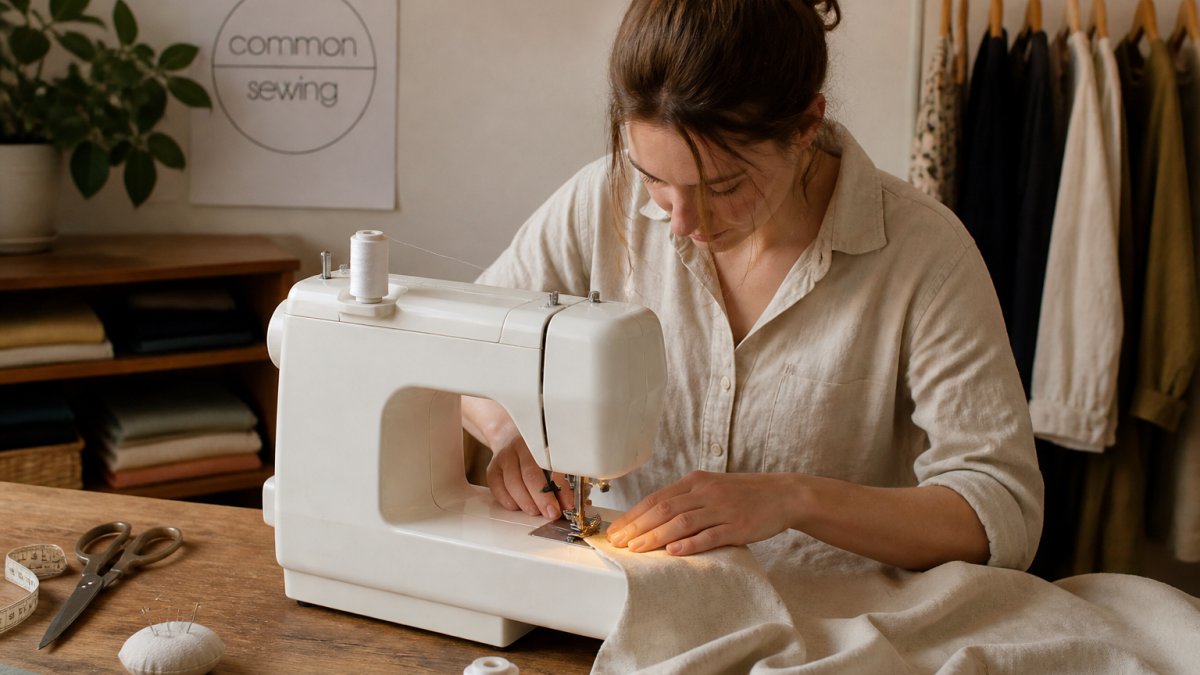
Learning to sew from scratch feels overwhelming at first, especially when tutorials assume you already know what a seam allowance is. At Common Sewing, we've seen beginners start excited, hit a wall of jargon, and quit before finishing a single project. This guide cuts through the noise and gives you a clear, structured path from your first stitch to your first completed garment.
Essential Sewing Tools for Beginners
Start with the right supplies and you'll avoid most frustration that derails beginners early on.
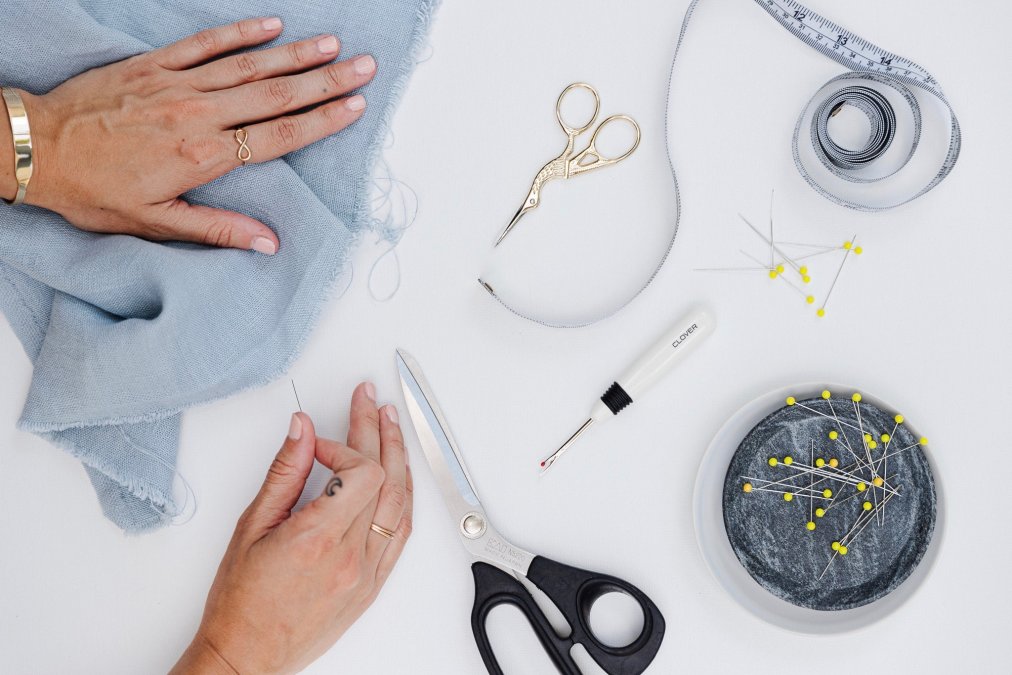
Here's what actually matters:
- Fabric shears, dedicated to fabric only. Using them on paper dulls the blade fast.
- Seam ripper, you will use this constantly. A sharp one makes unpicking stitches painless.
- Hand sewing needles I use sharps for pretty much all hand stitching
- Tailor's chalk or fabric marker, for transferring pattern markings without damaging fabric.
- Straight pins and pinning cushion, essential for holding pieces together before sewing.
- Measuring tape, flexible, not rigid.
- Snips a good pair of thread snipping scissors will make your sewing much easier
A common mistake is buying the cheapest fabric shears available. Dull shears drag and distort fabric, throwing off your seam allowance before you've started.
Sewing Machine Basics for Beginners
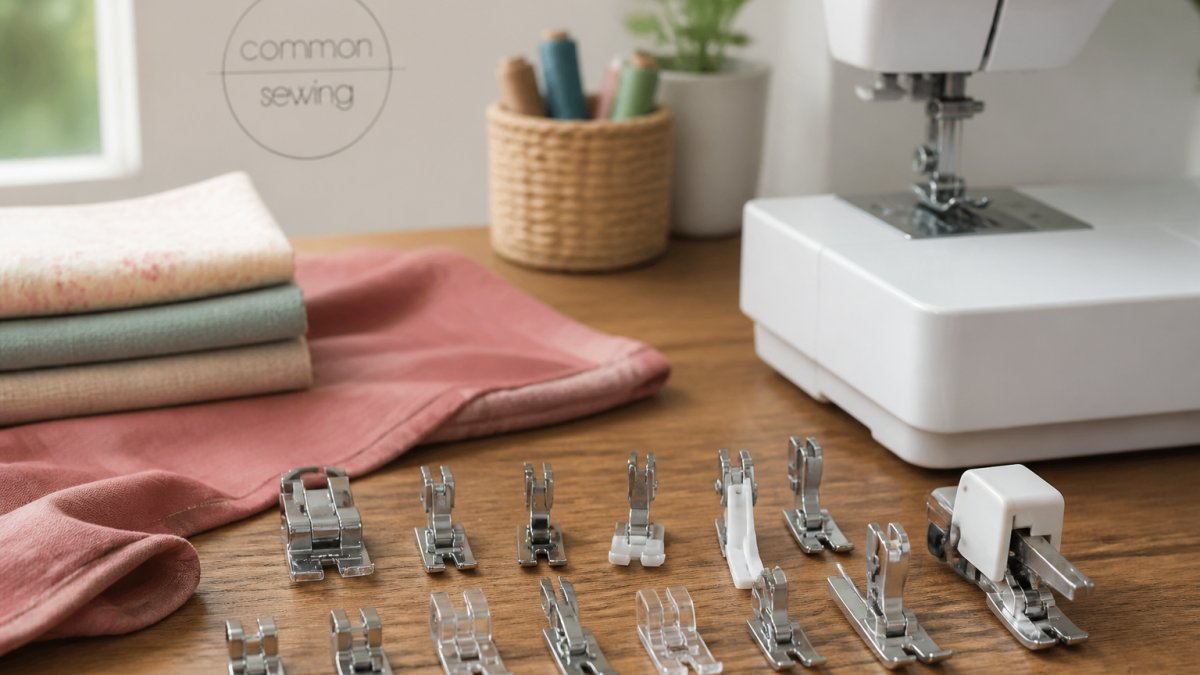
Most beginner machine problems stem from thread tension, bobbin loading, needle size, and presser foot selection.
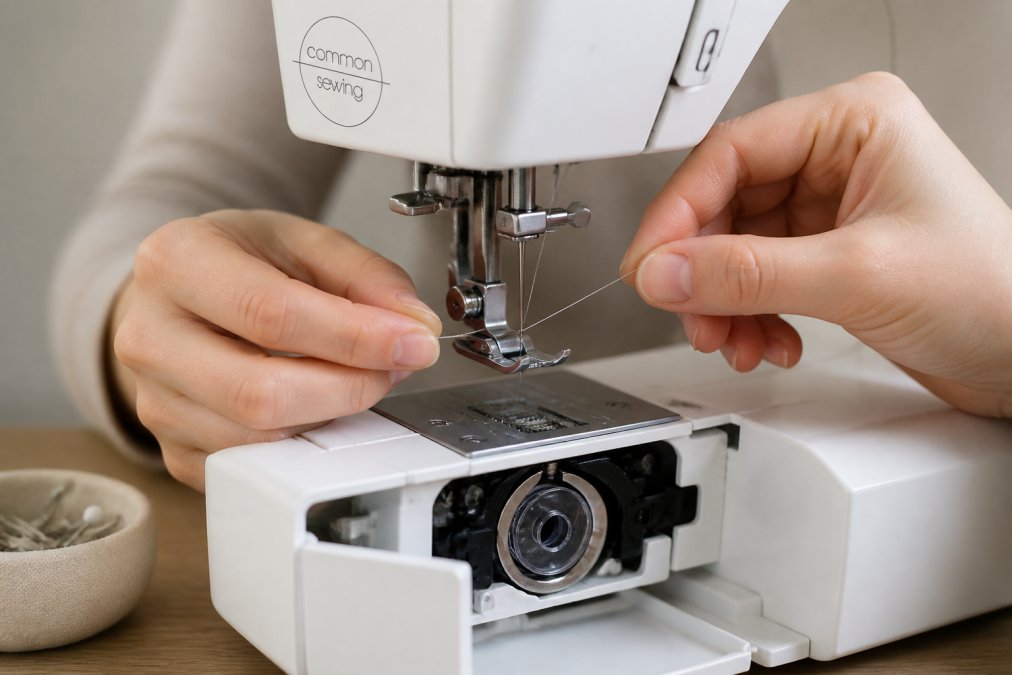
Threading the machine correctly is the single most skipped step. Every machine has a numbered threading path. Follow it exactly, including the thread take-up lever. Skipping any step causes skipped stitches or thread breakage.
Bobbin setup trips up nearly every beginner. The bobbin must be inserted in the correct direction for your specific machine model. A poorly seated bobbin creates tension problems that look like needle thread issues.
Tension settings control how tightly the upper and lower threads interlock. For most woven fabrics, the default setting works fine. If you see loops on the underside of your seam, your upper tension is too loose (peer-reviewed research). If the seam puckers, it's too tight.
Stitch length matters more than beginners expect. A longer stitch length works for basting, the temporary stitches you use to hold pieces in place before final sewing. You will learn everything you need to know about stitch length in basic skill workshop #1 at common sewing. A shorter stitch length creates stronger seams.
Easy Sewing Projects for Beginners to Build Real Skills
The fastest way to learn sewing is through projects that teach specific techniques in a logical order.
Project | Core Skill Learned | Difficulty |
|---|---|---|
Tea Towel | Cutting, fabric grain & hems | Beginner |
Zipper Clutch | zippers, lining, seams, corners | Beginner |
chef’s apron | working with patterns, pockets, trims and curved hems | Beginner |
perfect tee | garment construction, sleeves, facings, and fit adjustments | Beginner |
pj bottoms | pant construction, waistbands, elastic and tailoring | Beginner |
Start with a learning how to thread you machine, repeat some basic stitches and assemble a pattern first. These are the foundations of common sewing and Bonnie will walk you through the education step-by-step. Then do each basic skill workshop. You will make real things and build the skills you need to make anything you want with the Basic Skills Learn to Sew Series.
Before buying new fabric, check what you already own. Old bedsheets make excellent practice fabric.
How Long Does It Take to Learn to Sew from Scratch
Learning to sew from scratch takes most beginners between three and six months to reach basic competency, meaning you can complete simple garments independently, read a pattern, and troubleshoot common machine issues (peer-reviewed research). That timeline assumes consistent practice. The real variable isn't talent. It's structure. Beginners who follow a sequential curriculum progress faster than those piecing together random tutorials.
Here's a realistic breakdown:
- Weeks 1-2: Machine setup, threading, basic straight stitch and zigzag stitch on scrap fabric
- Weeks 3-6: First projects, tote bag, pillowcase, simple repairs
- Weeks 7-12: Reading patterns, understanding seam allowance and grainline, first garment
- Months 4-6: Fitting adjustments, working with different fabric weights, zipper insertion
Many sewers describe the focused, repetitive nature of stitching as genuinely meditative. The combination of a clear task, visible progress, and a finished object at the end creates a satisfying feedback loop that keeps people coming back.
Frequently Asked Questions
Can you learn sewing completely on your own?
Yes. Many confident sewists are entirely self-taught. The challenge is finding a structured path rather than jumping between random tutorials. Starting with hand sewing basics, then moving to a machine, then tackling simple projects like pillowcases or tote bags gives you a logical progression. A structured program that sequences skills deliberately will get you to finished projects faster than piecing together disconnected videos.
How long does it usually take to learn to sew?
Most beginners can sew a basic straight-seam project within a few hours of their first session. Comfortable competence with a sewing machine, including threading, adjusting tension settings, and finishing seams cleanly, typically takes four to eight weeks of regular practice. Reaching the level where you can read a sewing pattern, cut fabric on the grainline, and complete a garment with a proper hem usually takes three to six months.
What basic sewing supplies do I need to get started?
The non-negotiables are fabric shears, a seam ripper, straight pins, tailor's chalk, a measuring tape, hand-sewing needles, and thread in neutral colors. For machine sewing, you also need the correct needle size for your fabric weight and spare bobbins. A rotary cutter and self-healing mat make cutting fabric faster and more accurate. Bias tape and interfacing become useful once you move past the most basic projects.