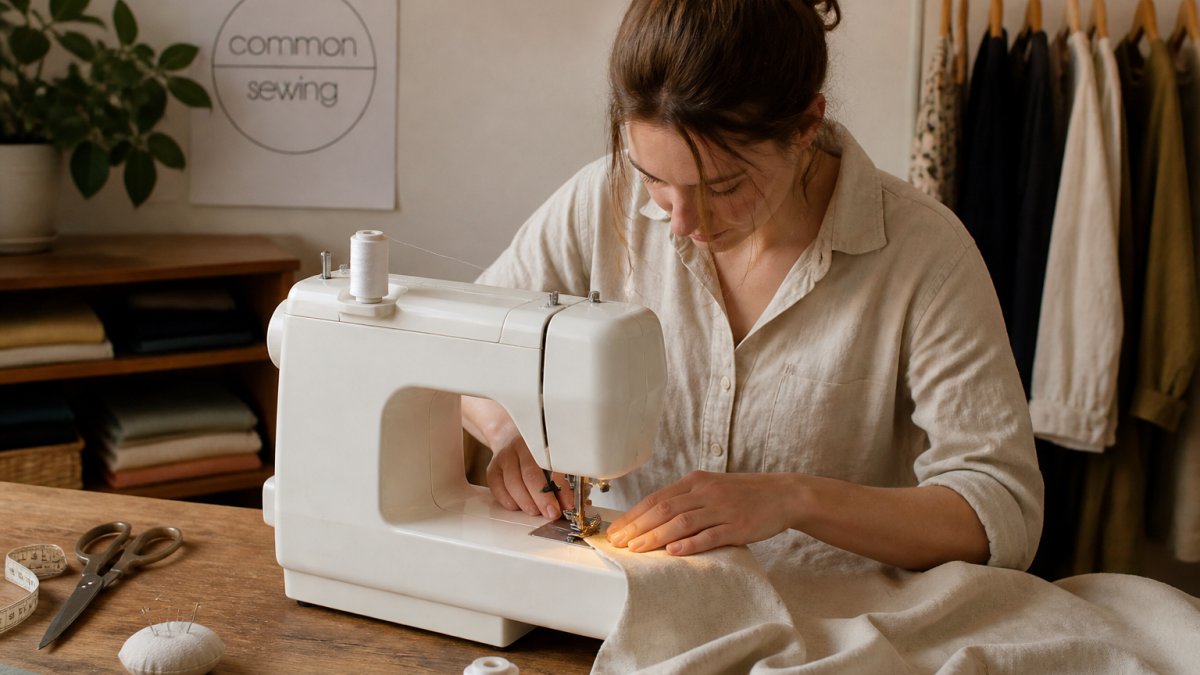
 ultimate-guide
Learn Garment Construction: A Beginner's Guide
Table of Contents
- Why Structured Learning Beats Random Tutorials for Garment Construction
- Essential Basic Sewing Techniques You Need First
- Sewing Tools for Beginners and Machine Setup
- Frequently Asked Questions
Last Updated: October 10, 2026
Why Structured Learning Beats Random Tutorials for Garment Construction
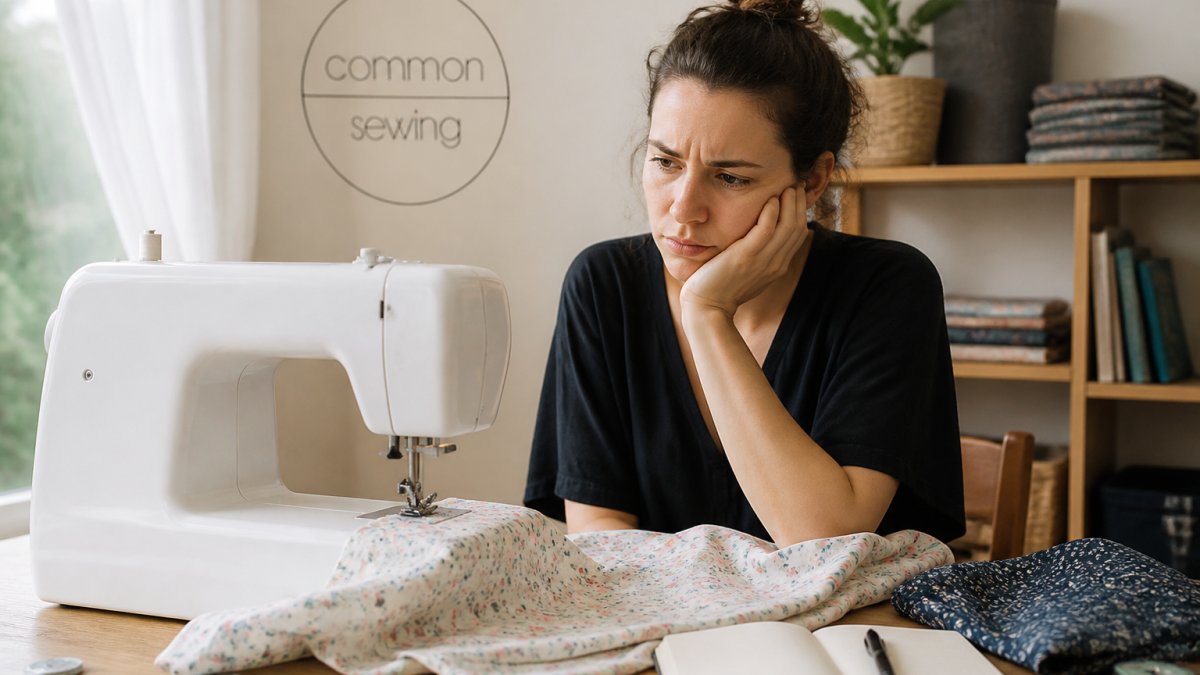
Most people learning sewing online jump between YouTube videos, Pinterest, and blogs, watching zippers, then hems, then closures without understanding seam basics, and quit within months.
Garment construction techniques build on each other: you can't master shaping without basic seams, or add closures without fabric prep and cutting. Skipping around creates dead ends, unfixable mistakes, and lost confidence.
Beginners are often overwhelmed by fragmented content and seek a structured path, knowing what to learn first, second, and third, and why each technique matters. That's what changes everything.
A sequenced approach to garment construction techniques builds real skills through foundational practice applied to progressively harder projects, giving you confidence and muscle memory for tailoring and complex garments.
Essential Basic Sewing Techniques You Need First
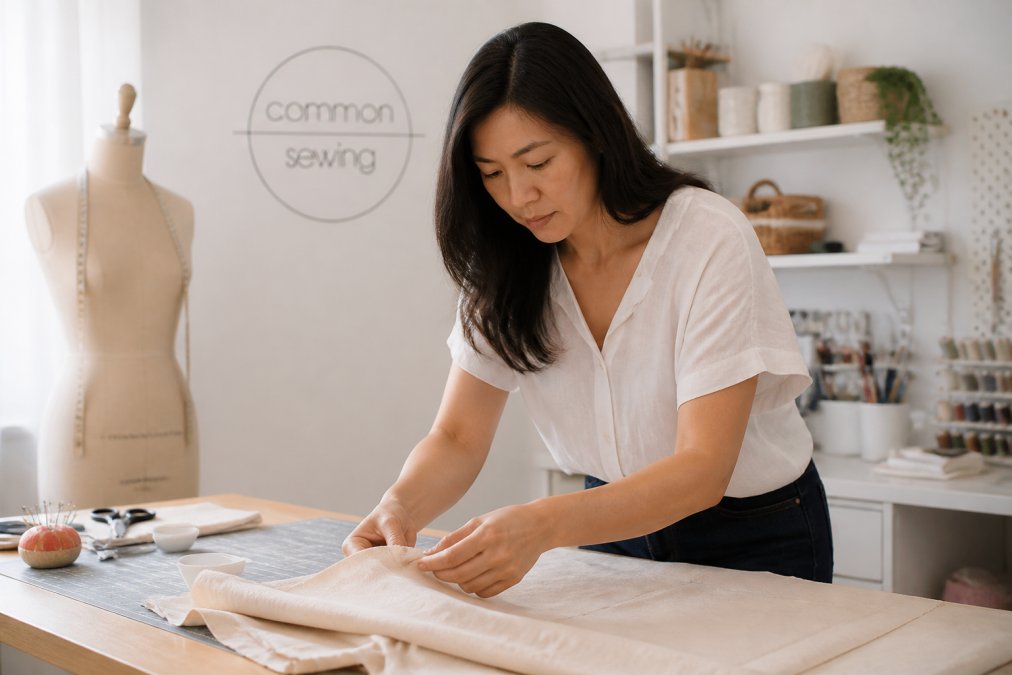
Before tackling seam finishes, closures, or shaping, master rock-solid fundamentals that form the foundation for all garment construction.
The most critical skill is creating a basic seam with consistent seam allowance (typically half-inch). Precision matters: being off by an eighth of an inch on every seam ruins fit.
Practice on scrap fabric first, sewing straight lines at the correct seam allowance until the motion becomes automatic.
Next, learn backstitching, the reverse stitch at the beginning and end of each seam that locks thread in place. Without it, seams unravel immediately.
After mastering straight seams, practice curved seams (armholes, necklines, pant legs), which require pivoting the fabric as you sew.
Sign up with your email address to receive news and updates. →
Sewing Tools for Beginners and Machine Setup
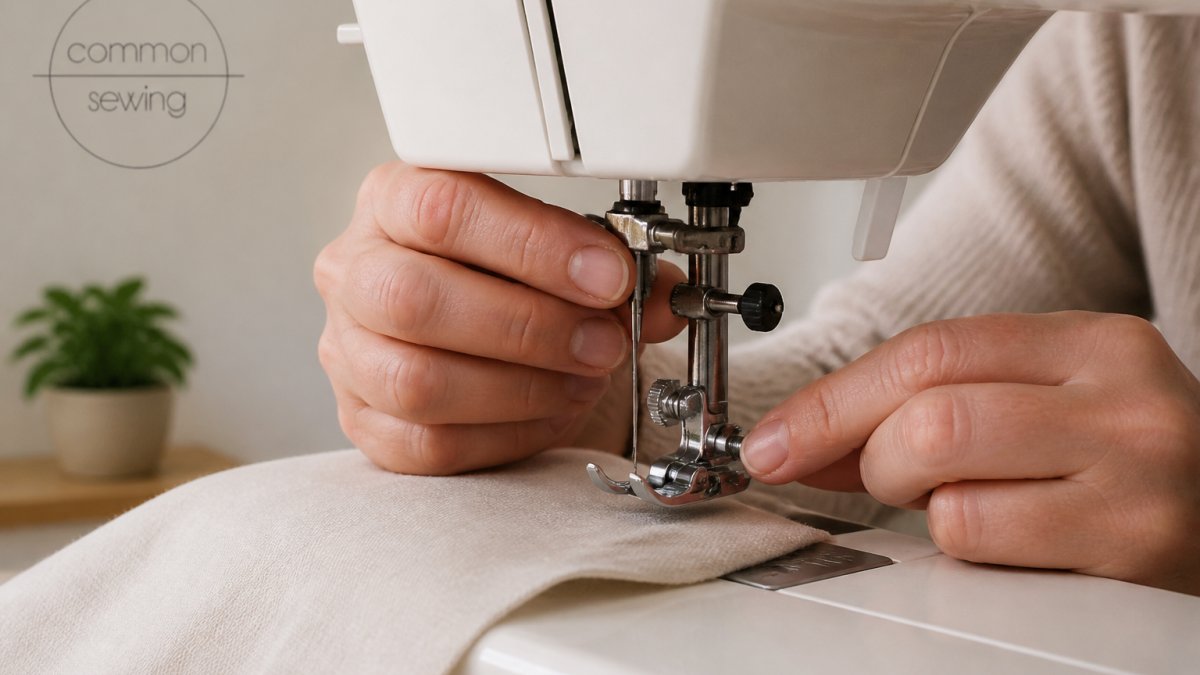
You don't need an expensive machine to learn garment construction techniques, just a reliable one that stitches straight and handles basic fabrics.
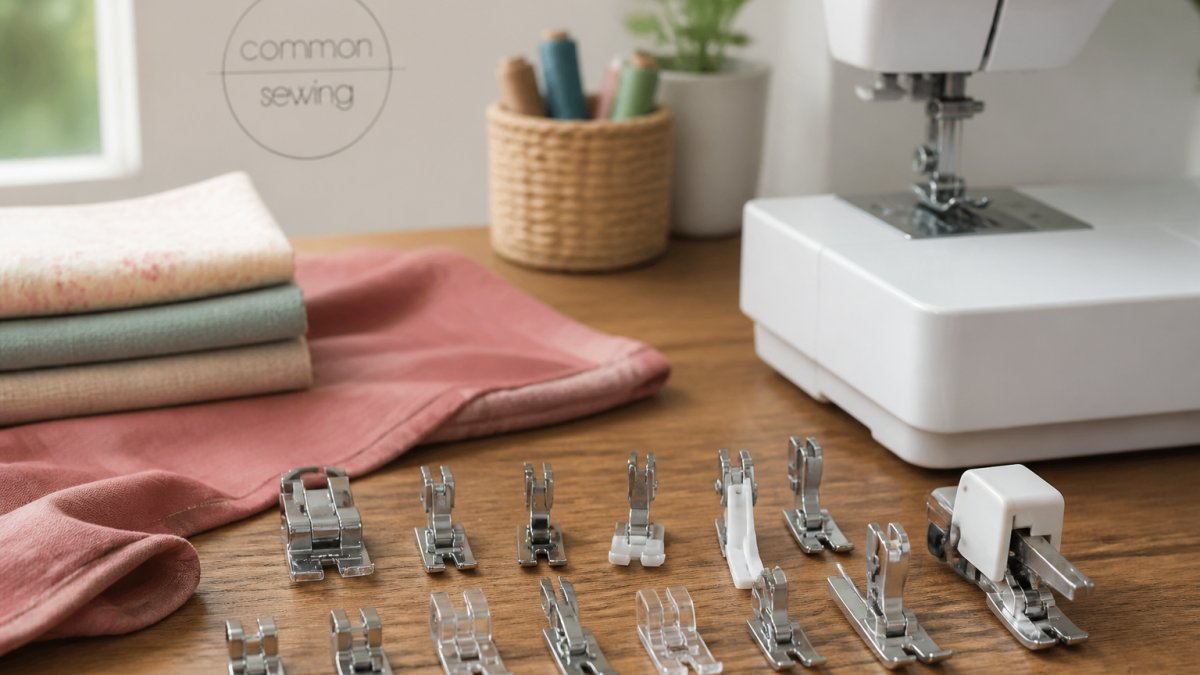
A beginner machine needs adjustable stitch length, adjustable presser foot pressure, and an easy bobbin system.
Essential hand tools: fabric scissors (never use on paper), seam rippers, measuring tape, pattern weights, and pins or clips.
Machine setup matters: use the correct needle type for your fabric to avoid tension problems and broken thread.
Thread tension balances top and bobbin thread; correct tension makes stitches identical on both sides. Start at the default setting and adjust after testing on scrap fabric.
Frequently Asked Questions
What is the best way to start learning garment construction techniques?
Start with a structured curriculum that builds skills sequentially rather than jumping between random topics. Begin with basic seams and seam finishes, then progress to hems, closures, and shaping. Practice each technique on sample fabric before applying it to a full garment. A project-based approach where you complete simple garments first (like pillowcases or simple skirts) helps you apply techniques in context and build confidence before tackling complex projects.
What basic sewing techniques should beginners master first?
Focus on these foundational techniques in order: straight seams with proper seam allowances, backstitch for reinforcement, basic hem finishes, and simple closures like buttons or zippers. Master these on practice samples using muslin or scrap fabric before moving to finished garments. Understanding how seams work and how to finish them properly prevents unraveling and creates professional-looking results. Once comfortable, progress to shaping techniques like darts and more complex seam finishes.
How do I know if I'm ready to move from beginner sewing projects to tailoring my own clothes?
You're ready when you can consistently sew straight seams, finish hems neatly, install closures correctly, and read patterns confidently. Start by tailoring simple garments you already own (hemming pants, taking in seams) before attempting to construct entire pieces from scratch. If you complete several beginner projects successfully and understand how garment pieces fit together, you have the foundation for tailoring and garment construction.
Ready to move from scattered tutorials to a structured path through garment construction techniques? Sign up with your email address to receive news and updates from Common Sewing, where you'll learn how to build confidence in every stitch.