 how-to
How to Learn Sewing Without Tutorials
Table of Contents
- Why Skip Tutorials and Start Learning Sewing by Doing
- Essential Sewing Tools for Beginners: Start With Just 5 Items
- Learn Sewing by Reverse Engineering What You Already Own
- Practice Basic Hand Sewing Stitches for Beginners on Scraps
- How Long Does It Take to Learn to Sew?
- A Simple Starter Project to Build Confidence
- Frequently Asked Questions
Last Updated: September 6, 2026
Why Skip Tutorials and Start Learning Sewing by Doing
Learning sewing without tutorials is often the fastest path to real skill because it forces you to build a mental model of fabric and construction rather than mimicking someone else’s hands. This guide shows a structured approach to self-teaching, focusing on reverse engineering clothes you already own, practicing basic hand sewing stitches on scraps, and building confidence through trial and error.
Essential Sewing Tools for Beginners: Start With Just 5 Items
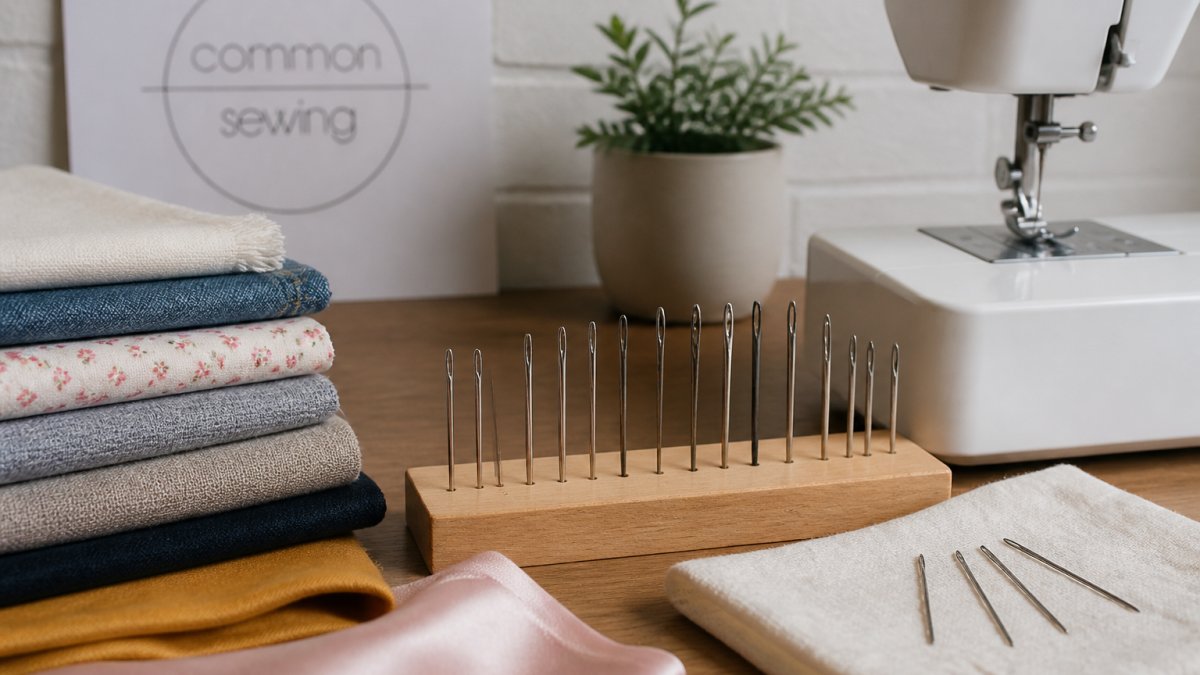
You need only five essential tools: a sharp pair of fabric shears, a measuring tape, a pack of hand-sewing needles, quality thread, and a seam ripper. A sewing machine is helpful later but not required. These five items cover cutting, measuring, joining, and fixing mistakes, the entire beginner workflow.
Learn Sewing by Reverse Engineering What You Already Own
Study the clothes in your closet as three-dimensional puzzles. Pick a simple cotton shirt and turn it inside out; you will see the seam allowance, hemming, and grainline without a single video. Use your seam ripper to open a seam on an old garment, and you will learn more about construction in ten minutes than in an hour of watching someone else sew.
Practice Basic Hand Sewing Stitches for Beginners on Scraps
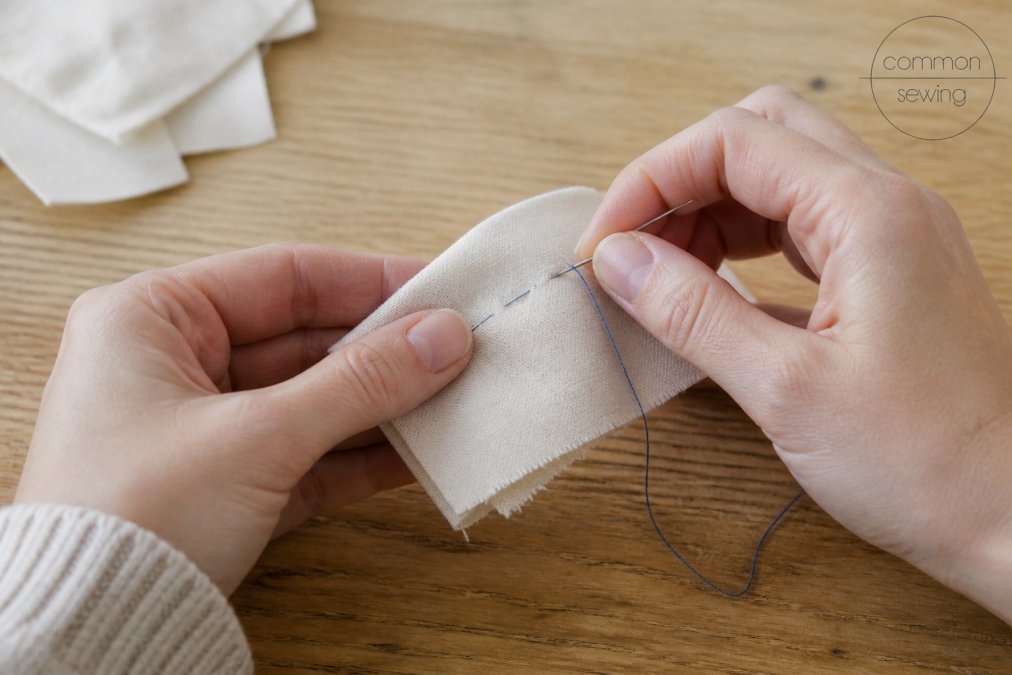
Before touching a garment, your hands need to learn the rhythm of the needle. Cut up an old pillowcase into squares and practice just three stitches: the running stitch, the backstitch, and the whip stitch. Your goal is consistent stitch length and even tension, not speed. Spend 15 minutes a day for a week on scraps to develop the muscle memory needed for real projects.
| Stitch | Best For | Difficulty |
|---|---|---|
| Running Stitch | Gathering, basting | Easiest |
| Backstitch | Strong seams, repairs | Moderate |
| Whip Stitch | Finishing edges, hemming | Easy |
How Long Does It Take to Learn to Sew?
You can learn to sew a straight seam and complete a simple repair within your first week of practice, but mastering the skills to tailor a full wardrobe takes several months of consistent work. If you sew for 30 minutes a day, you will be comfortable with hand stitching in about two weeks. Moving to a sewing machine and tackling a garment from a pattern typically takes four to eight weeks of regular practice. The key is to measure progress in completed projects, not hours watched, which is why a project-based approach beats tutorial binging. As you build skills, you will find that a structured curriculum, which uses a step-by-step method led by a professional tailor, can accelerate this timeline by showing you the right order to learn techniques. For guidance on building a consistent schedule, the American Sewing Guild’s beginner resources offers community support that reinforces practice habits. Similarly, learning the tactile properties of different textiles is crucial, and the University of Nebraska-Lincoln’s textile extension resources provides reliable information on fabric types and care. When you are ready to move beyond hand sewing, understanding your machine’s tension adjustment is vital, and the official Brother sewing machine support guides explain this clearly without jargon.
Sign up with your email address to receive news and updates. →
A Simple Starter Project to Build Confidence
Your first project should be a drawstring bag made from a single piece of cotton fabric, requiring only straight seams and a basic casing, all done with hand stitching. Cut a 12 by 16 inch rectangle, fold it in half, and use a backstitch to sew the side seams with a half-inch seam allowance. Fold the top edge down a quarter inch, then another half inch, and sew a running stitch to create the casing. This hour-long project teaches measuring, pinning, pressing, and finishing, core skills that give you momentum to tackle a real alteration next.
Learning sewing without tutorials comes down to trusting your hands over your eyes and embracing the trial-and-error process that builds genuine skill. At Common Sewing, our entire program is built around this project-based philosophy, led by a professional photo shoot tailor with 25 years of experience. Get started with Common Sewing and turn your fabric scraps into real skills today.
Frequently Asked Questions
Is it possible to learn sewing on your own without tutorials?
Yes. Skip the videos and focus on tactile methods: take apart an old garment with a seam ripper to see how it was assembled, then practice basic hand sewing stitches for beginners like the running stitch and backstitch on fabric scraps. Reverse engineering and repetition teach your hands what your eyes miss on a screen. Structured project-based programs that emphasize this hands-on approach can accelerate the process.
What is the first thing a beginner should sew?
Start with a straight line on a folded fabric scrap, not a finished project. Practice a running stitch and backstitch by hand, then move to a sewing machine with lined fabric to build control. Once your stitches are even, sew a simple pillowcase or a tote bag. These projects use straight seams and teach you seam allowance, pinning, and pressing without complex pattern drafting.
What are the essential tools for a self-taught sewer?
You need five items to begin: sharp fabric shears, a seam ripper, a measuring tape, hand sewing needles, and thread. Add pins and an iron as you progress. This basic kit lets you take apart old clothes, practice stitches, and complete simple repairs. Skip the pattern drafting supplies until you understand garment construction through hands-on practice.