 how-to
Learn Sewing at Home: A Beginner's Guide
Table of Contents
- Start with the Right Foundation: Machine Setup and Basic Tools
- How to Read a Sewing Pattern Without Getting Lost
- Choose Easy Sewing Projects for Beginners That Build Real Skills
- Frequently Asked Questions
Last Updated: October 12, 2026
Start with the Right Foundation: Machine Setup and Basic Tools
To learn sewing at home, you don't need fancy equipment, just the right equipment. Most beginners buy machines with features they never use; you only need straight and zigzag stitches.
Common Sewing’s guide to beginner sewing machines recommends easy threading, clear instructions, and speed control, which lets you sew slowly while learning and builds confidence fast. Your basic tools: sharp fabric scissors, measuring tape, pins or pattern weights, a needle threader, and basic-color thread.
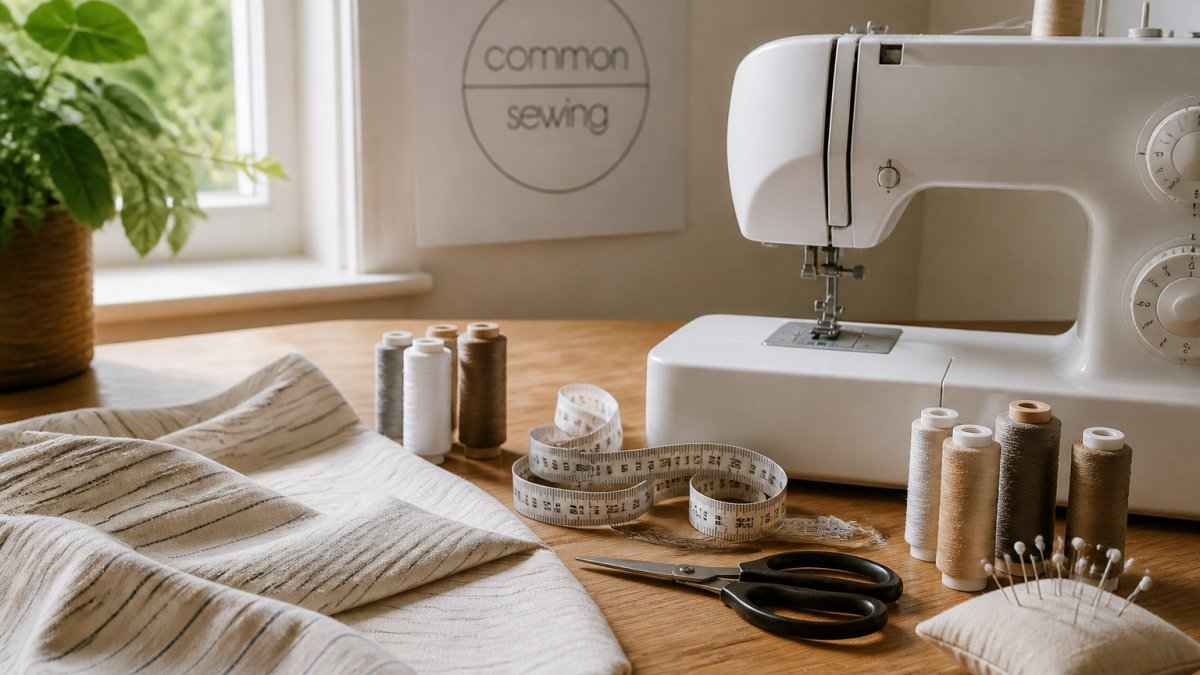
Thread your machine slowly, following the manual's diagram. Practice threading five times before touching fabric, correct threading prevents 80% of beginner frustration.
How to Read a Sewing Pattern Without Getting Lost
They're just dense. Read them like a map, not a novel.
Check the envelope's finished measurements, not the size number, size 4 in one brand is size 8 in another. Count your pattern pieces and match them to the envelope diagram before cutting, since cutting is the point of no return. Read the instruction sheet start to finish first, 10 minutes saves hours of mistakes. Look for seam allowance (usually half an inch), assembly order, where to press seams, and how to finish raw edges.
Sewing Patterns Mastered's systematic approach to pattern instructions teaches you to mark your fabric correctly. Use a fabric pencil, not a pen. Marks should be visible but removable. Measure twice. Cut once. Raw edges will fray, that's normal. Cut straight lines and follow the pattern exactly.
Choose Easy Sewing Projects for Beginners That Build Real Skills
Start with something you'll actually wear or use, a tote bag you carry beats a boring pillowcase. Basic sewing projects for beginners should have straight seams only, minimal pattern pieces, clear instructions, and a finished product you genuinely want.
Sign up with your email address to receive news and updates. →
Elastic waist pants are perfect first projects: straight seams, forgiving fit, and you learn seam allowance, pressing, and attaching elastic, skills that transfer to everything else. According to The Weekend Project's beginner sewing guide, moving from simple projects to slightly harder ones builds confidence steadily. Don't jump to tailored blazers. That's how people quit.
After elastic waist pants, try a simple skirt, then a basic shirt. Each project adds one new skill until the fundamentals become automatic. Common Sewing teaches this progression using real projects, you learn by making things, not theory.
Most beginner frustration comes from jumping too fast, buying a cute dress pattern without knowing what a facing is, then quitting. Start where you are, practice the basics, and move slowly. Your hands will learn what your brain can't quite grasp yet.
Frequently Asked Questions
How can I learn sewing at home as a beginner without getting overwhelmed?
Start with a structured program that builds skills step by step rather than jumping between random YouTube tutorials. Focus on one technique at a time: threading your machine, sewing a straight line, pressing seams, then simple projects like pillowcases. Practice on scrap fabric before moving to garments. Set realistic expectations. A project-based approach keeps you motivated by showing immediate results.
What is the easiest way to understand sewing patterns?
Read the pattern instructions from start to finish before cutting any fabric. Highlight each step as you complete it. Look for pattern symbols like arrows showing grain line direction and notches that match seam pieces. Start with beginner-friendly patterns from companies known for clear instructions. Break complex steps into smaller actions: cut one piece, mark it, pin it, sew it. Don't rush—sewing slowly and carefully prevents mistakes that create frustration.
How long does it take to learn to sew basic garments?
You can repair clothes and create functional garments much sooner. Consistency matters more than speed—practicing twice a week beats occasional marathon sessions.
Learning to sew at home doesn't require expensive tools or confusing YouTube rabbit holes. You need a simple machine, clear instructions, and projects that actually teach you something. That's exactly what Common Sewing provides. Sign up with your email address to receive news and updates, and start building real sewing skills with a structured path designed specifically for beginners who want confidence, not confusion.