 how-to
How to Replace a Sewing Machine Needle
Table of Contents
- What You'll Need to Replace Your Sewing Machine Needle
- Step-by-Step: How to Replace a Sewing Machine Needle
- Sewing Machine Needle Sizes Explained
- Frequently Asked Questions
Last Updated: September 29, 2026
What You'll Need to Replace Your Sewing Machine Needle
Replacing a sewing machine needle is straightforward. You need just a few basic items. First, grab a new needle that matches your fabric type. You'll also want a small screwdriver to loosen the needle clamp screw. Keep your sewing machine manual nearby for reference. Having good lighting helps too.
Most beginners find that gathering these items first makes the process smoother. A magnifying glass can help if you have trouble seeing small details. Some people keep a needle disposal container handy for safety.
Step-by-Step: How to Replace a Sewing Machine Needle
Here's how to replace a sewing machine needle in five simple steps:
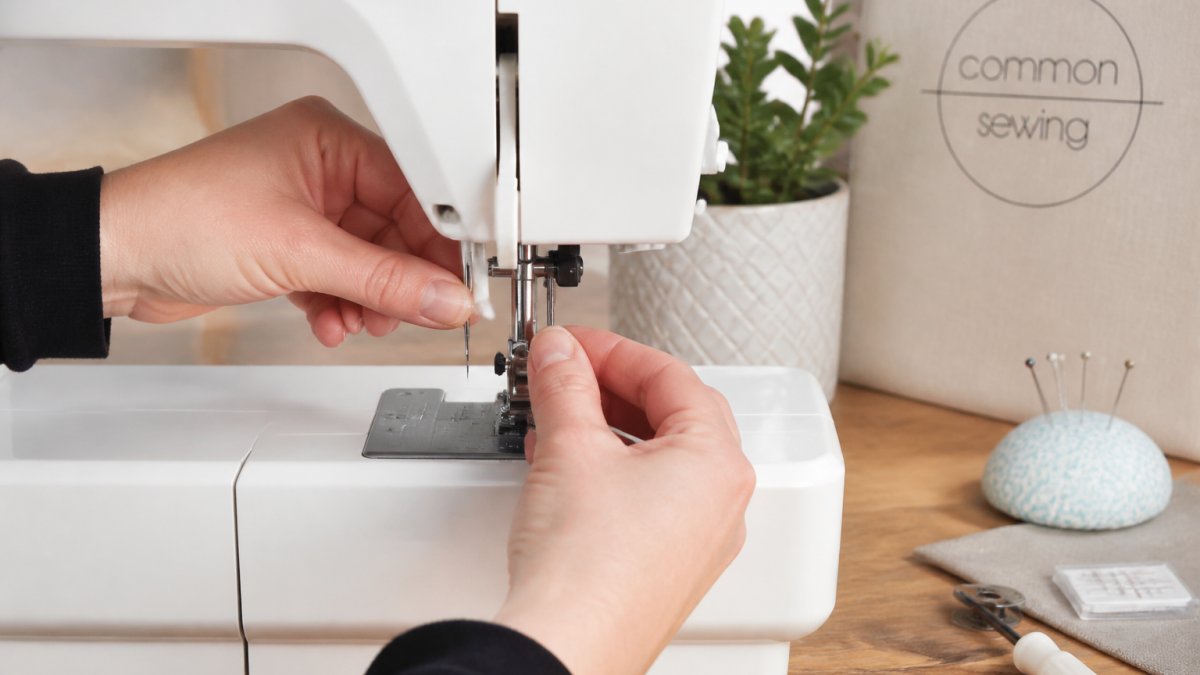
- Raise the needle to its highest position. Use the hand wheel on the side of your machine. Turn it toward you until the needle reaches the top.
- Locate the needle clamp screw. This small screw holds your needle in place. It sits just above the needle. Look for it near the needle bar.
- Loosen the needle clamp screw. Use your screwdriver to turn it counterclockwise. Don't remove it completely, just loosen it enough to slide the needle out.
- Remove the old needle and insert the new one. Slide the old needle out gently. Insert your new needle with the flat side facing the correct direction. Check your manual to confirm which way the flat side should face. Push the needle up as far as it will go. Tighten the needle clamp screw clockwise.
Sign up with your email address to receive news and updates. →
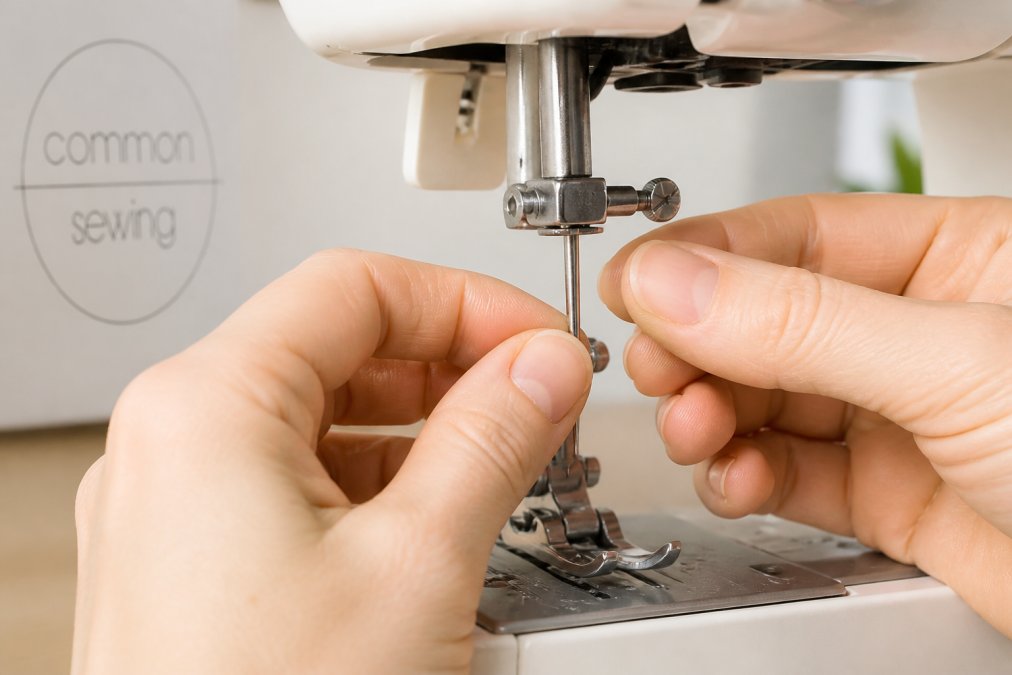
Test your work by turning the hand wheel slowly. The needle should move smoothly without hitting anything. If it catches or wobbles, loosen the clamp and reposition it.
Sewing Machine Needle Sizes Explained
Needle sizes matter more than most people realize. The wrong size causes skipped stitches and thread breakage. Common sizes range from 60 to 120. Smaller numbers mean finer needles for delicate fabrics. Larger numbers mean thicker needles for heavy materials.
Match your needle to your fabric. Use size 60 or 70 for lightweight cotton and silk. Use size 80 or 90 for medium-weight fabrics like regular cotton. Use size 100 or 110 for heavyweight materials like denim and canvas. Universal needles work for most projects. Ballpoint needles are best for knits. Sharp-point needles excel on woven fabrics.
When you replace a sewing machine needle, check the needle eye too. A damaged eye causes thread to shred and break. If your needle is bent or dull, replace it. Fresh needles improve stitch quality immediately. Changing your needle every 8-10 hours of sewing time is a simple habit that prevents most tension and stitch problems before they start.
Frequently Asked Questions
In which direction should I insert the needle into my sewing machine?
The flat side of the needle shank must face the correct direction based on your machine type. For most machines, the flat side faces toward the back or to the side. Check your sewing machine manual for the exact orientation, as this varies by brand. Inserting the needle backward causes skipped stitches and fabric snagging. Align the needle fully into the needle clamp and tighten the set screw firmly.
How often should you change your sewing machine needle?
It's a good practice to replace your needle every 8-10 hours of sewing time, or after completing a major project. You should also change it sooner if you notice thread breakage, skipped stitches, or fabric damage. Needles dull quickly, especially when sewing heavy fabrics like denim or canvas. If you sew regularly, keeping spare needles on hand ensures you always have a sharp needle ready, as a dull needle compromises stitch quality and can damage your fabric.
What happens if I insert the needle incorrectly?
An incorrectly inserted needle causes skipped stitches, thread breakage, and fabric snagging. The needle may also hit the needle plate or bobbin case, damaging both the needle and your machine. Poor stitch quality is often the first sign of incorrect needle alignment. Always consult your sewing machine manual to confirm the correct orientation, and ensure the needle is fully seated in the needle clamp before tightening the set screw.
Replacing your needle keeps your machine running smoothly. A fresh needle means better stitches and fewer frustrations. Master this basic skill and you're ready to tackle any sewing project with confidence. Sign up with your email address to receive news and updates from Common Sewing and start building your sewing foundation today.