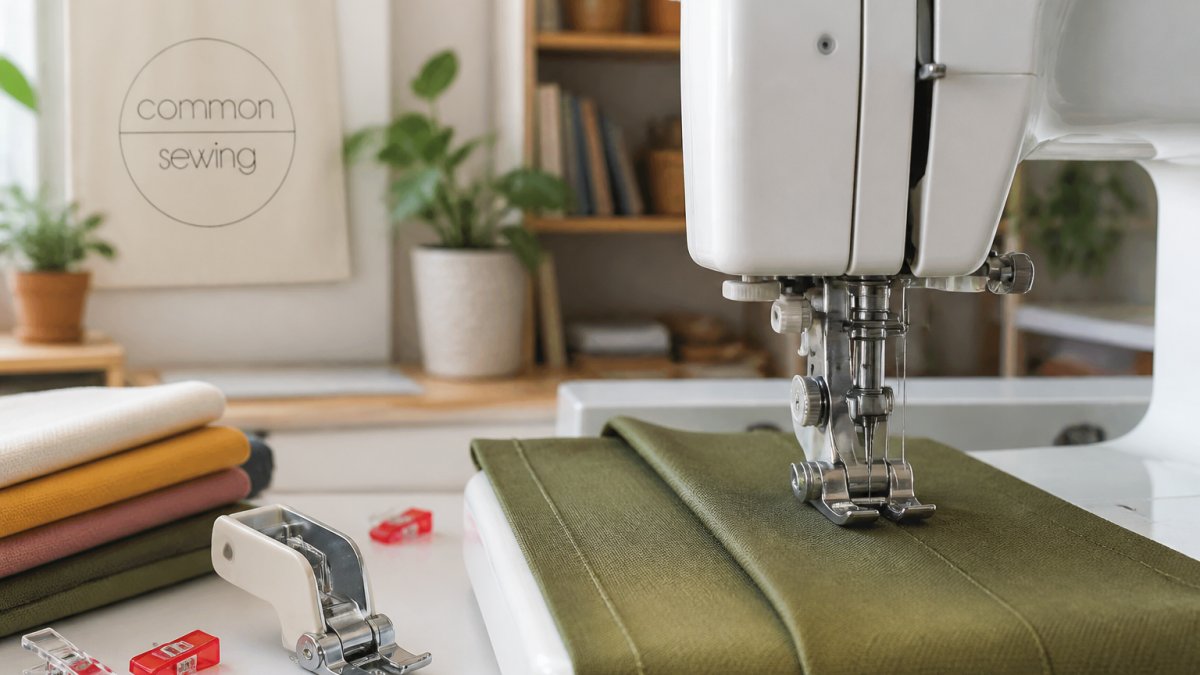
 how-to
Walking Foot for Sewing: Do You Need One?
Table of Contents
- What Is a Walking Foot and How Does It Work?
- Walking Foot vs. Regular Presser Foot: Key Differences
- Do You Need a Walking Foot for Quilting?
- Frequently Asked Questions
Last Updated: October 8, 2026
What Is a Walking Foot and How Does It Work?
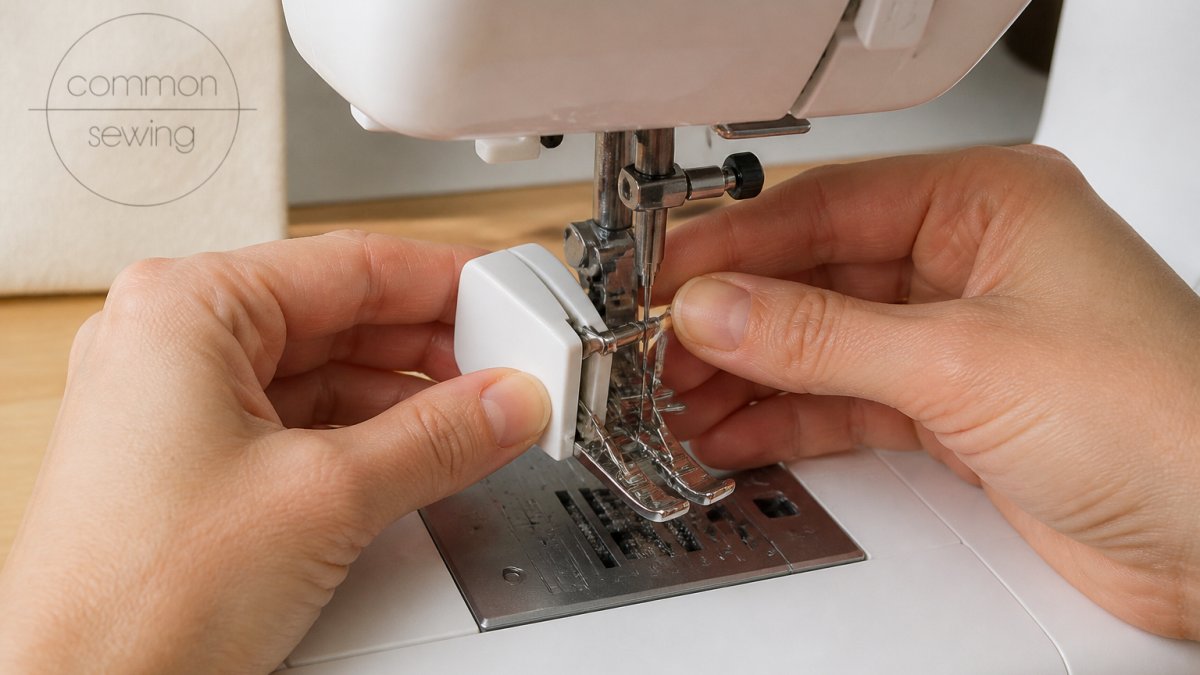
A walking foot is a presser foot attachment used in walking foot sewing to feed fabric evenly from both the top and bottom layers. It has its own set of feed dogs on top, so both layers move at the same speed and stay aligned.
A regular presser foot holds fabric down while the bottom feed dogs push it forward, so on thick or slippery materials the top layer lags behind. A walking foot pulls the top layer along for synchronized movement.
When your needle moves, the walking foot's upper feed dogs move in sync with the lower ones. This dual-feed action benefits quilting sandwiches, denim, knits, plaids, and stretchy fabrics.
Walking Foot vs. Regular Presser Foot: Key Differences
The difference comes down to control: a regular presser foot relies entirely on the feed dogs underneath, while a walking foot adds dual feed working in tandem.
Here's what changes:
- Fabric control: Walking foot grips both layers; regular foot grips only the top.
- Layer slippage: Walking foot prevents it; regular foot allows it, especially on slippery fabrics.
- Stitch consistency: Walking foot delivers even stitches across thick layers; regular foot can bunch or pucker.
A regular presser foot is fine for simple garment construction, but for quilting, matching patterns, or multiple layers, a walking foot does the job with far less frustration.
Do You Need a Walking Foot for Quilting?
For straight-line machine quilting, a walking foot is nearly essential. Quilt sandwiches are thick and slippery, and without a walking foot the top layer creeps forward while the bottom lags, causing uneven stitches and puckering.
Sign up with your email address to receive news and updates. →
Hand-quilting and free-motion quilting with a darning foot don't need one, but for straight-line, echo, or stitch-in-the-ditch work, a walking foot prevents shifting and keeps seams aligned.
Skip it for mending or simple repairs, but once you're working with batting and multiple layers, get one.
Most modern machines accept walking feet on the standard presser foot bar; check your manual to confirm. Some use snap-on feet, others screw attachments, but the principle is the same.
Walking foot sewing transforms thick, slippery, or layered projects, from quilting a heirloom blanket to reinforcing workwear seams, preventing shifting and delivering professional results. At Common Sewing, we teach beginners these fundamentals through a step-by-step method that builds your skills one project at a time, so you understand not just how to use tools like a walking foot, but why they matter for your goals. Sign up with your email address to receive news and updates about our structured sewing program.
Frequently Asked Questions
What is the main difference between a walking foot and a regular presser foot?
A walking foot has dual feed dogs that move fabric layers evenly from top and bottom, while a regular presser foot only feeds fabric from underneath. This prevents the top layer from shifting or bunching when sewing through multiple thick layers like quilt sandwiches, batting, and backing fabric. Walking feet are especially useful when matching patterns across seams or preventing puckering on slippery fabrics.
Do I need a walking foot for quilting?
A walking foot is highly recommended for straight-line quilting and binding, especially if you're quilting a quilt sandwich with thick batting. It prevents fabric layers from slipping and creates even stitches. However, you can still quilt without one using pinning or basting techniques, though you'll have more control with a walking foot. Free-motion quilting typically uses a different presser foot entirely.
Can you use a walking foot for regular sewing projects?
Yes, you can use a walking foot for regular sewing on single-layer fabrics, though it's not necessary. It's most beneficial when sewing stretch fabrics, knits, plaids with pattern matching, or any project where you need to prevent fabric shifting. Many sewers keep their walking foot attached for general sewing because it provides better fabric control and more even feed, especially on slippery or delicate materials.