 ultimate-guide
Learn to Sew Clothes at Home: A Beginner's Guide
Table of Contents
- Essential Sewing Tools for Beginners
- How to Read a Sewing Pattern and Prepare Fabric
- Simple Garment Sewing Projects for Beginners
- How to Tailor Clothes at Home: Fit and Alterations
- Frequently Asked Questions
Last Updated: August 31, 2026
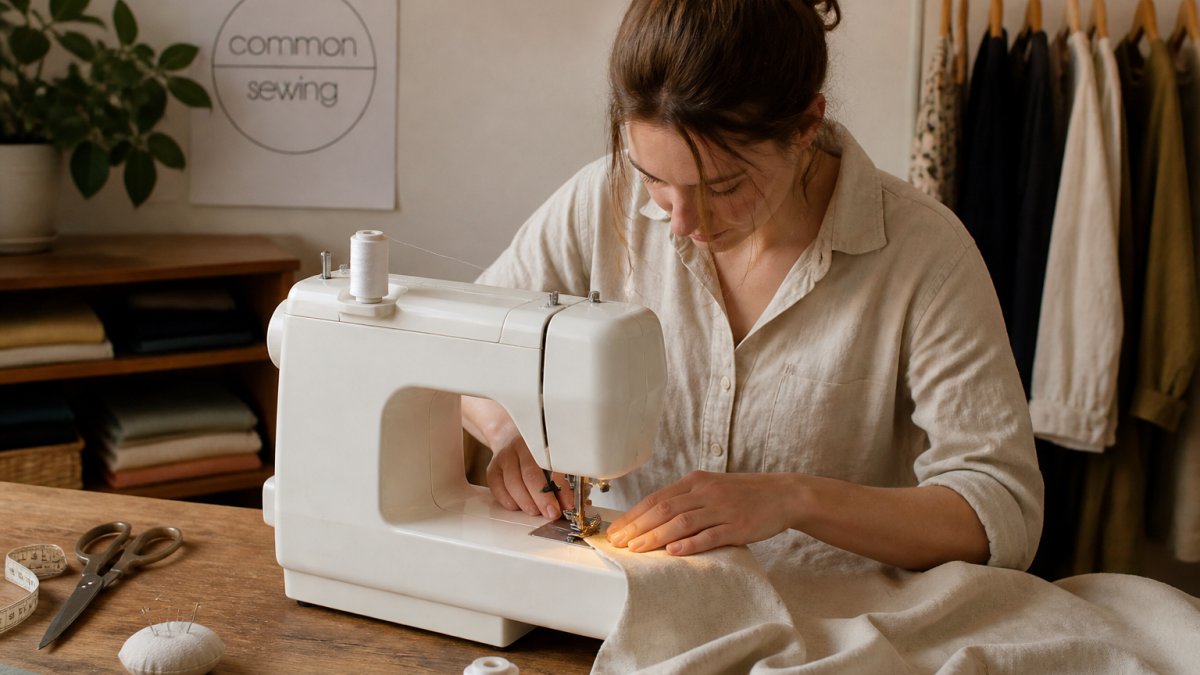
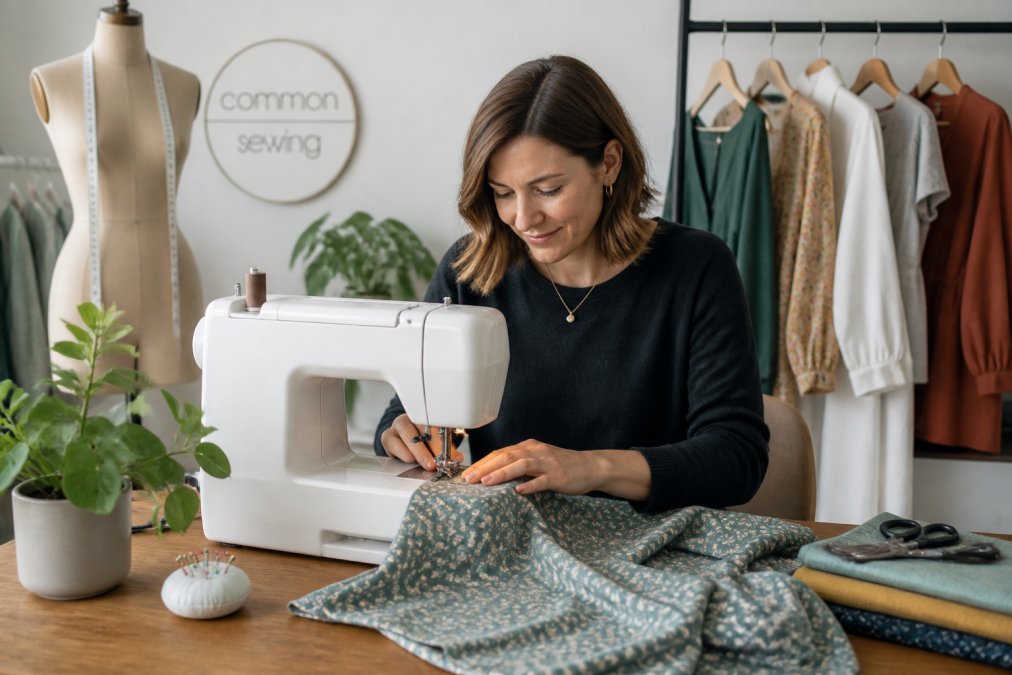
Learning to sew clothes at home opens creative possibility. Whether you want to repair a favorite jacket, create handmade gifts, or tailor your wardrobe, the fundamentals are learnable. This guide from Common Sewing breaks down everything a beginner needs to know to start sewing with confidence, building skills one project at a time.
The key to success isn't talent, it's starting with the right tools, understanding patterns, and practicing on manageable projects.
Essential Sewing Tools for Beginners
When you learn to sew clothes at home, you'll need a foundation of reliable tools. Focus on quality basics that will last.
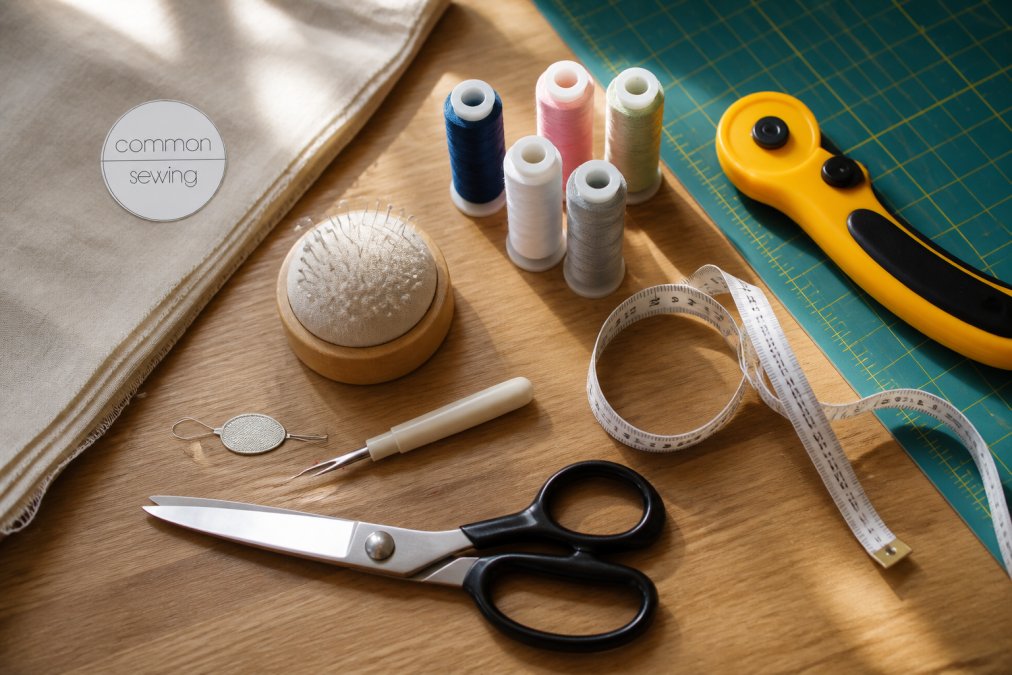
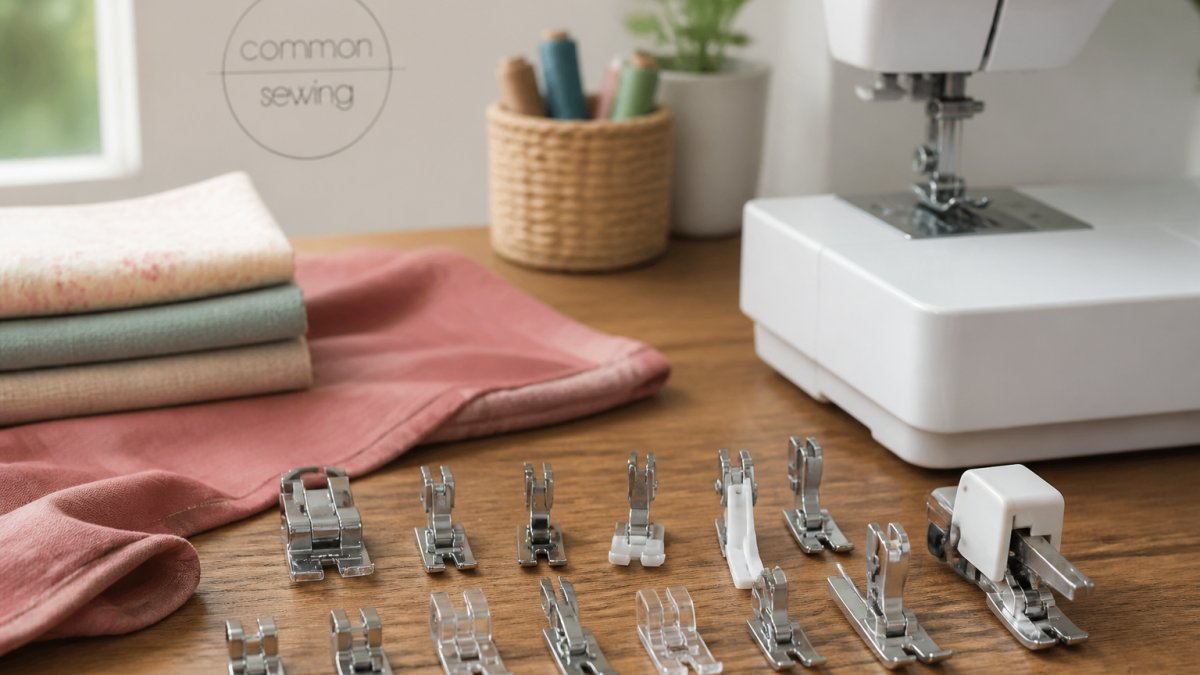
Start with fabric shears for clean cuts, a rotary cutter and self-healing cutting mat for accuracy, a measuring tape, pins or pattern weights, a seam ripper, and an iron for pressing. Your sewing machine is your biggest investment, a basic mechanical machine with straight and zigzag stitches handles most beginner projects.
How to Read a Sewing Pattern and Prepare Fabric
Patterns follow a standard format with an envelope showing the finished garment and pattern pieces marked with grain lines and seam allowances. The grainline matters, fabric has lengthwise and crosswise grain, and ignoring the grainline arrow causes garments to hang unevenly or stretch unexpectedly.
Before cutting, prewash fabric if needed and press out wrinkles. Lay out all pattern pieces according to the layout diagram using pins or pattern weights. Cut carefully and mark notches and dots with tailor's chalk, these guide you during construction.
Simple Garment Sewing Projects for Beginners
Start with projects that teach one or two new techniques: a drawstring bag teaches straight stitches, a pillowcase introduces seam allowances, and a basic elastic-waist skirt teaches interfacing and waistband construction.
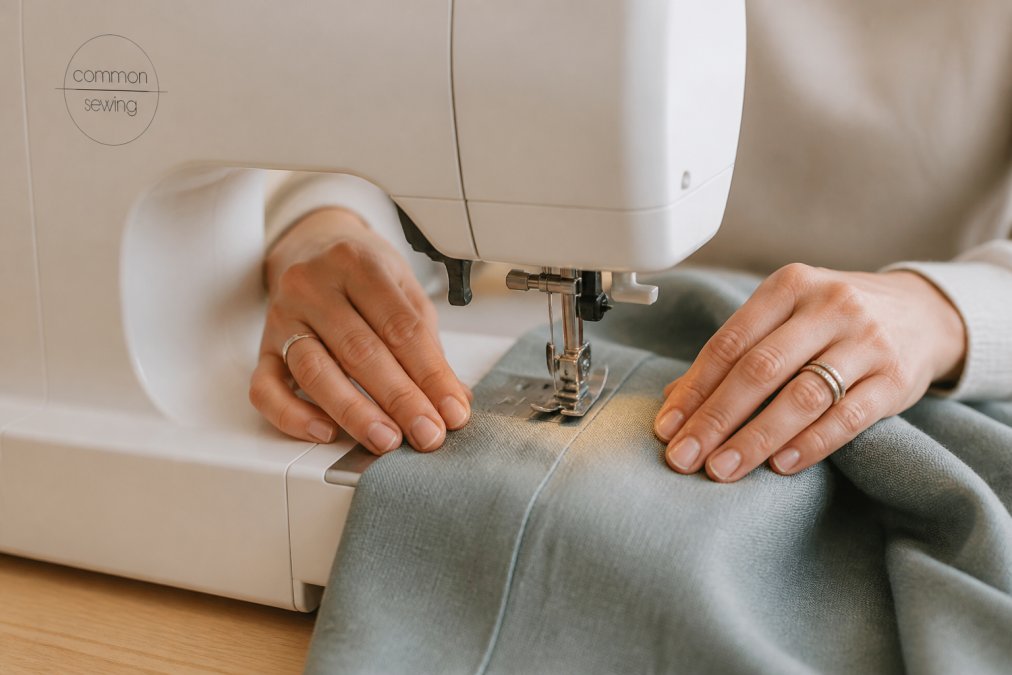
The straight stitch is your foundation. Practice maintaining even seam allowance, typically half an inch, by using your presser foot as a guide (peer-reviewed research). The zigzag stitch prevents fabric edges from fraying. Staystitching, a straight stitch one-quarter inch from the raw edge, stabilizes curved seams. Darts are triangular folds stitched from the widest point to a point, shaping fabric to fit your body.
Sign up with your email address to receive news and updates. →
How to Tailor Clothes at Home: Fit and Alterations
Once you understand basic garment construction, tailoring your own clothes becomes practical. Start with accurate body measurements: bust, waist, hip, shoulder width, sleeve length, and inseam. Compare your measurements to the pattern's size chart.
A hem is the finished edge of fabric, typically folded and stitched with a slip stitch for an invisible finish. Taking in seams requires unpicking the original seam with a seam ripper, adjusting the seam allowance, and restitching.
Learning to sew clothes at home transforms how you relate to your wardrobe. Common Sewing's project-based approach builds skills systematically with experienced guidance from a professional tailor. Start with your first simple project, and you'll discover that sewing is far more accessible than you imagined.
| Technique | Purpose | When to Use |
|---|---|---|
| Straight stitch | Basic seam construction | All garments, every seam |
| Zigzag stitch | Finish raw edges | Prevent fraying on seams |
| Backstitch | Reinforce seam starts/ends | Beginning and end of every seam |
| Slip stitch | Invisible hand stitching | Hems, closing openings |
| Staystitching | Stabilize curved seams | Before sewing curved pieces together |
Learn more about structured sewing education. According to research on skill-building approaches from educational psychology, learners retain skills better when instruction follows a logical progression. Common Sewing applies this principle to sewing instruction, ensuring each project builds on previous knowledge.
The Craft and Hobby Association's consumer research shows that structured learning increases project completion rates and long-term engagement with creative skills.
Frequently Asked Questions
Q: Can you teach yourself to sew clothes at home?
A: Yes, you can absolutely teach yourself to sew clothes at home with the right guidance and resources. A structured, step-by-step approach works best, starting with essential tools, learning basic stitches like the straight stitch and zigzag stitch, then progressing to simple projects. Many beginners successfully learn to sew clothes through online programs that break down garment construction into manageable phases rather than jumping between random tutorials.
Q: What is the first thing a beginner should sew to practice garment construction?
A: Start with a simple drawstring bag or basic pillowcase to master straight stitches and seam allowance. Once comfortable, progress to a simple skirt or elastic-waist pants that teach you pattern reading and basic garment assembly without complex fitting. These projects build confidence with seam ripper skills and pressing techniques before tackling fitted garments that require tailoring adjustments.
Q: How long does it take to learn to sew clothes at home?
A: Basic competency typically takes consistent practice with proper instruction. You'll master fundamental techniques like threading a bobbin, tension adjustment, and simple hand stitching within the first few weeks. Garment construction skills and tailoring confidence develop over months of practice with progressively complex projects, but a structured curriculum accelerates the learning curve compared to fragmented tutorials.
This article was written using GrandRanker