 how-to
Learn to Sew Handmade Gifts: A Beginner's Roadmap
Table of Contents
- Essential Sewing Tools for Beginners: What You Really Need
- How to Choose Fabric for Handmade Gifts
- Quick Sewing Projects Under One Hour to Build Confidence
- Sewing for Home Decor: Gifts That Impress
- Personalized Gift Ideas and Handmade Gift Etiquette
- Troubleshooting Common Beginner Mistakes
- Building Skills with a Structured Approach
- Your First Handmade Gift: A Simple Plan
- Learn to Sew Handmade Gifts: The Takeaway
- Frequently Asked Questions
Why Learn to Sew Handmade Gifts Now
Sewing handmade gifts turns your time and fabric stash into something genuinely valuable. A handcrafted zipper pouch or quilted oven mitt carries a weight store-bought items never will, and the process builds skills you will use for decades. Handmade gifts are also sustainable, reusable fabric gift bags and kitchen linens keep giving long after the wrapping comes off.
The Craft and Hobby Association's research on maker participation has documented steady growth in home crafting, driven largely by adults seeking hands-on creative outlets.
Essential Sewing Tools for Beginners: What You Really Need
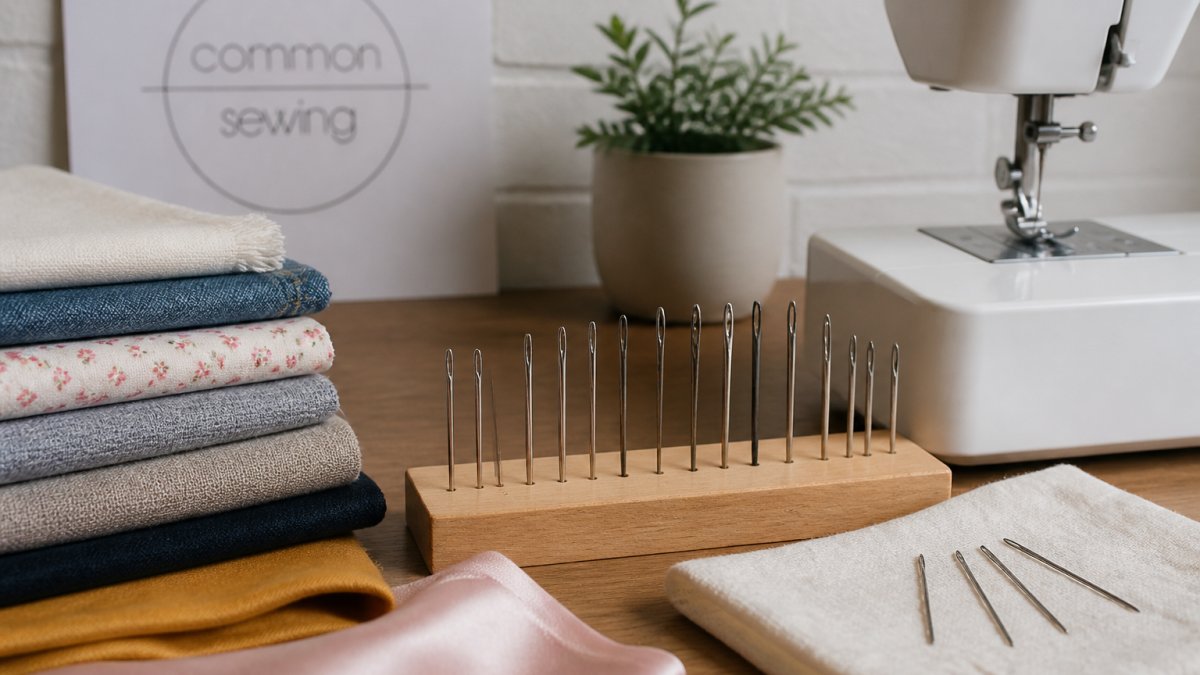
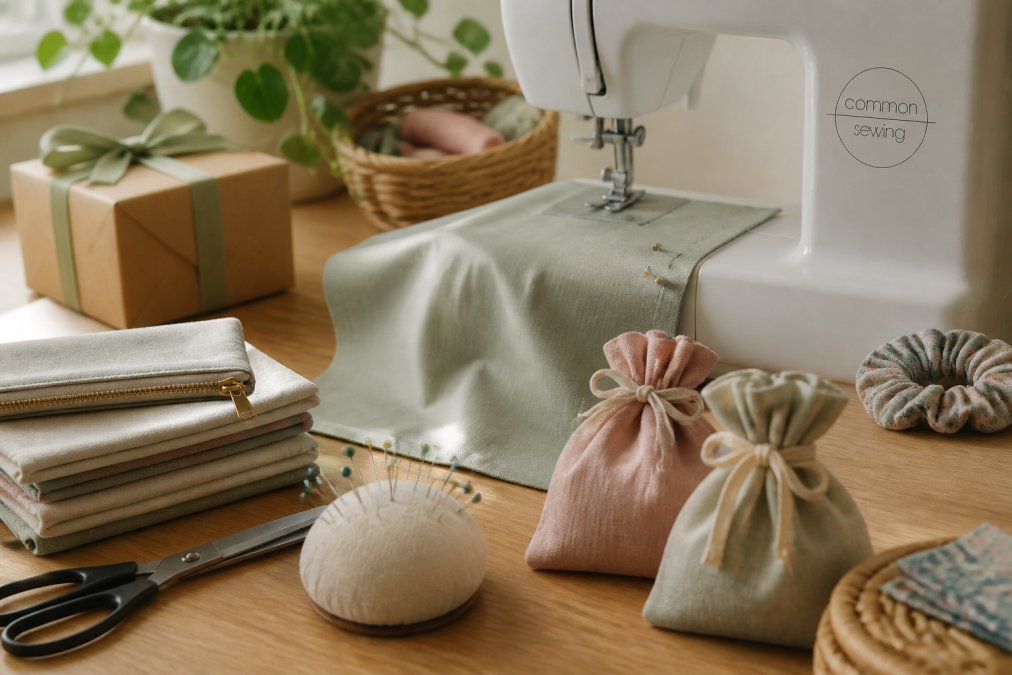
You do not need a fully stocked studio to sew handmade gifts. The essentials: a reliable sewing machine, sharp fabric scissors, a seam ripper, straight pins, a measuring tape, and an iron. Start lean, your machine needs a straight stitch and a zigzag stitch.
A good iron is essential, pressing seams as you go is the single biggest difference between homemade-looking and professional-looking projects.
How to Choose Fabric for Handmade Gifts
Match the material to the project's purpose. Cotton quilting fabric is the most forgiving for beginners, it presses well and holds its shape. Kitchen gifts need tight-weave cotton plus insulated batting; scarves and blankets suit fleece or flannel. Medium-weight quilting cotton works for most beginner projects, and fat quarters (roughly 18 by 22 inches) are ideal for zipper pouches.
The Smithsonian's guide to textile conservation explains that higher thread count cottons resist fraying and fading, which matters when your gift will be washed repeatedly. Plan the project first, then buy fabric to match.
Quick Sewing Projects Under One Hour to Build Confidence
The fastest way to learn to sew handmade gifts is to start with quick projects under one hour. A zipper pouch is the classic starter: it teaches straight seams, zipper installation, and turning corners in about 45 minutes.
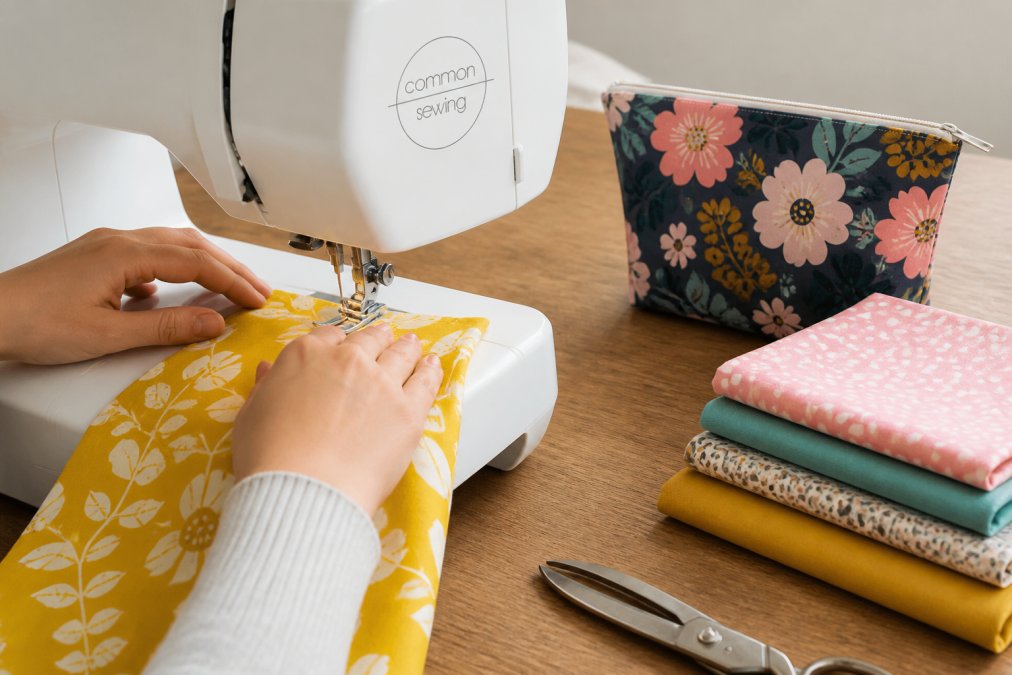
A simple progression: fabric gift bags with ribbon ties (20 minutes), a zipper pouch (45 minutes), a microwaveable bowl cozy (30 minutes), and a simple scarf (30 minutes).
Sewing for Home Decor: Gifts That Impress
Sewing for home decor offers functional gifts that forgive small imperfections, unlike clothing, they do not need to fit a specific body. Cloth napkins are one of the best first gifts: cut cotton into 18-inch squares, hem the edges, and you have four reusable napkins in under an hour.
Personalized Gift Ideas and Handmade Gift Etiquette
Personalized gift ideas elevate a simple handmade item into something deeply meaningful. A monogram, favorite colors, or a custom lining transforms a generic pouch into a keepsake. Include a note explaining the item is handmade and how to care for it, most people do not know quilted items should be washed on a gentle cycle.
Your materials for a zipper pouch might cost a few dollars, but your time is the real investment. The American Craft Council's perspective on the value of handmade objects highlights that handmade items carry cultural and emotional significance that factory production cannot replicate. Pair your sewn item with a consumable gift, a mug cozy with specialty coffee, giving the recipient something to keep and something to enjoy immediately.
Sign up with your email address to receive news and updates. →
Troubleshooting Common Beginner Mistakes
Skipped stitches usually mean the needle is dull, bent, or wrong for the fabric, replace it every eight to ten hours of sewing. Tension problems show as loops on the underside; re-thread the machine completely. Uneven seam allowances improve by watching the fabric edge against the throat plate guide rather than the needle.
When a project goes wrong, a seam ripper is your best friend: remove faulty stitches, press flat, and sew again.
Building Skills with a Structured Approach
Scattered YouTube tutorials often lead to frustration because they jump between skill levels. A structured path builds skills in order: straight stitch, then zippers, curves, then quilting, each project introducing one new skill while reinforcing practiced ones.
The University of Georgia's Cooperative Extension sewing resources note that structured, sequential learning helps beginners retain skills better than ad-hoc instruction. When you learn to sew handmade gifts in a deliberate order, each project reinforces the last. At Common Sewing, the philosophy is simple: you learn by making. Our step-by-step program, led by a professional photo shoot tailor with 25 years of experience, guides you through projects designed to build skills one creation at a time.
Your First Handmade Gift: A Simple Plan
Start with a fabric gift bag: gather two 10-by-14-inch cotton rectangles and 1 yard of ribbon; pin right sides together along three sides; sew with a half-inch seam allowance; press seams flat; fold and hem the top edge; turn right side out and thread ribbon through the hem with a safety pin; press and fill with your gift. This takes about 20 minutes and uses skills you will apply to every future project.
Learn to Sew Handmade Gifts: The Takeaway
Learning to sew handmade gifts rewards patience with tangible results. Start with essential tools, choose beginner-friendly fabrics, and complete quick projects that build confidence. The best time to start was before the holiday rush. The second best time is today. Pick one small project, gather your materials, and make your first stitch.
Handmade gifts carry a weight store-bought items never will, but getting started can feel daunting with fragmented tutorials. Common Sewing offers a structured, step-by-step online program led by an experienced photo shoot tailor with 25 years in the industry. The project-based method builds essential skills one creation at a time, so you can repair clothes, create handmade gifts, or tailor a wardrobe. Sign up with your email address to receive news and updates, and make your first handmade gift this week.
Frequently Asked Questions
What are some easy handmade gifts I can sew?
Start with quick sewing projects under one hour like zipper pouches, drawstring gift bags, or quilted coasters. These use simple straight stitches and minimal fabric, making them perfect for beginners. A personalized tote bag or a set of cloth napkins also works well. These projects build your skills while producing practical, reusable gifts that show you put thought into the present.
How do I start learning to sew for gift-giving?
Begin by mastering a straight stitch and learning to control your sewing machine's speed. Practice on scrap fabric first. Then, choose one simple pattern, like a zipper pouch, and gather your essential sewing tools for beginners. Follow a step-by-step tutorial that explains seam allowances and pressing. Completing one small project from start to finish teaches you more than watching hours of unrelated videos.
How do I choose fabric for handmade gifts?
Match the fabric to the gift's use. For kitchen items like oven mitts or pot holders, choose 100% cotton, which withstands high heat. For bags and pouches, a medium-weight cotton or canvas offers durability. Consider the recipient's style when picking colors and patterns. Pre-wash your fabric to prevent shrinking later, and avoid slippery or stretchy materials until you have more practice.