 ultimate-guide
Master Sewing in 2026: Your Step-by-Step Guide
Table of Contents
- How to Learn Sewing from Scratch: A Step-by-Step Path
- Essential Sewing Tools for Beginners and the Best Beginner Sewing Machine for 2026
- How Long to Learn Sewing and How to Master Sewing in 2026
- Choosing Fabrics and Notions Without Wasting Money
- Pattern Drafting, Fit Adjustment, and Working Toward Tailoring
- Digital Tools and Machine Troubleshooting
- Building a Sustainable Wardrobe Through Sewing
- Frequently Asked Questions
Last Updated: September 10, 2026
How to Learn Sewing from Scratch: A Step-by-Step Path
Learning to sew from scratch starts with one honest admission: you don't need talent, you need a sequence. This guide from Common Sewing walks you through how to master sewing in 2026, one finished project at a time.
Most beginners stall because they collect tips instead of building skills in order.
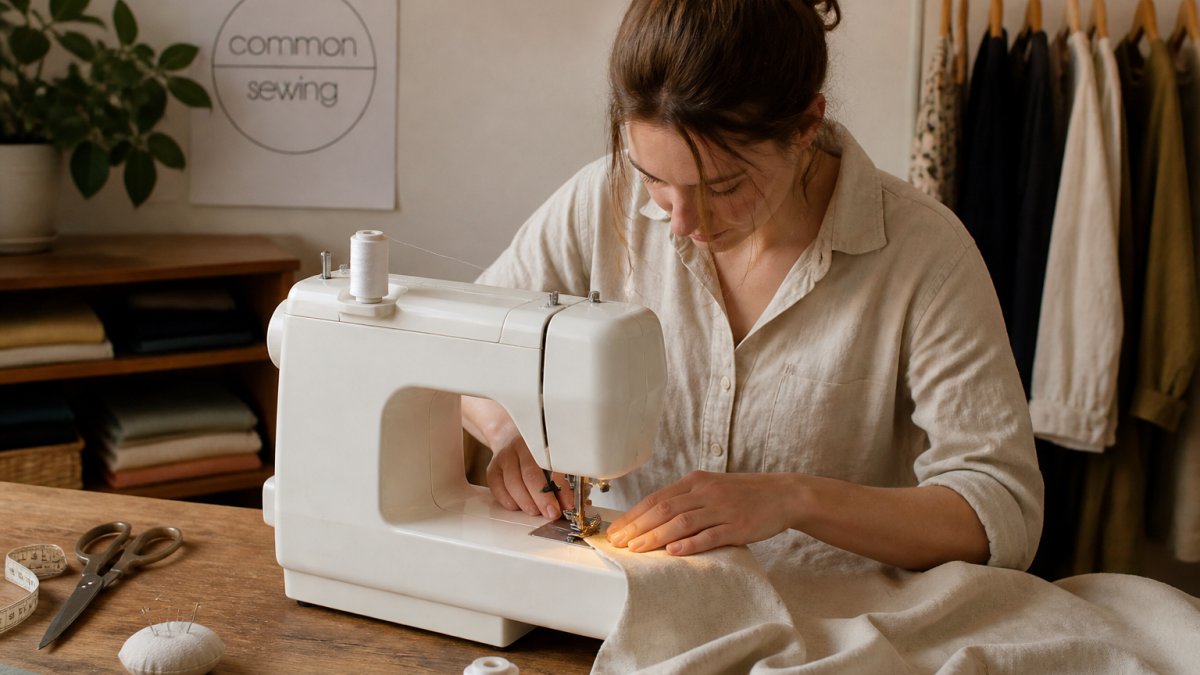
- Set up a basic station: machine, iron, shears, pins, measuring tape.
- Learn to thread, wind a bobbin, and adjust tension before you touch fabric.
- Sew straight lines and curves on scrap cloth until your seam allowance stays consistent.
- Make a tea towel or pillow to practice seams and corners.
- Move to a simple garment, like a perfect tee or elastic-waist pants.
- Learn to read a pattern: grainline, notches, darts, and seam allowance.
- Repeat with a harder project each time, adding one new technique per make.

A common mistake is buying five patterns before finishing one. Pick a single project, finish it, then decide what to learn next.
Essential Sewing Tools for Beginners and the Best Beginner Sewing Machine for 2026
You need fewer tools than the internet suggests: a machine, sharp fabric shears, pins or clips, a measuring tape, a seam ripper, an iron, and a marking tool cover almost everything.
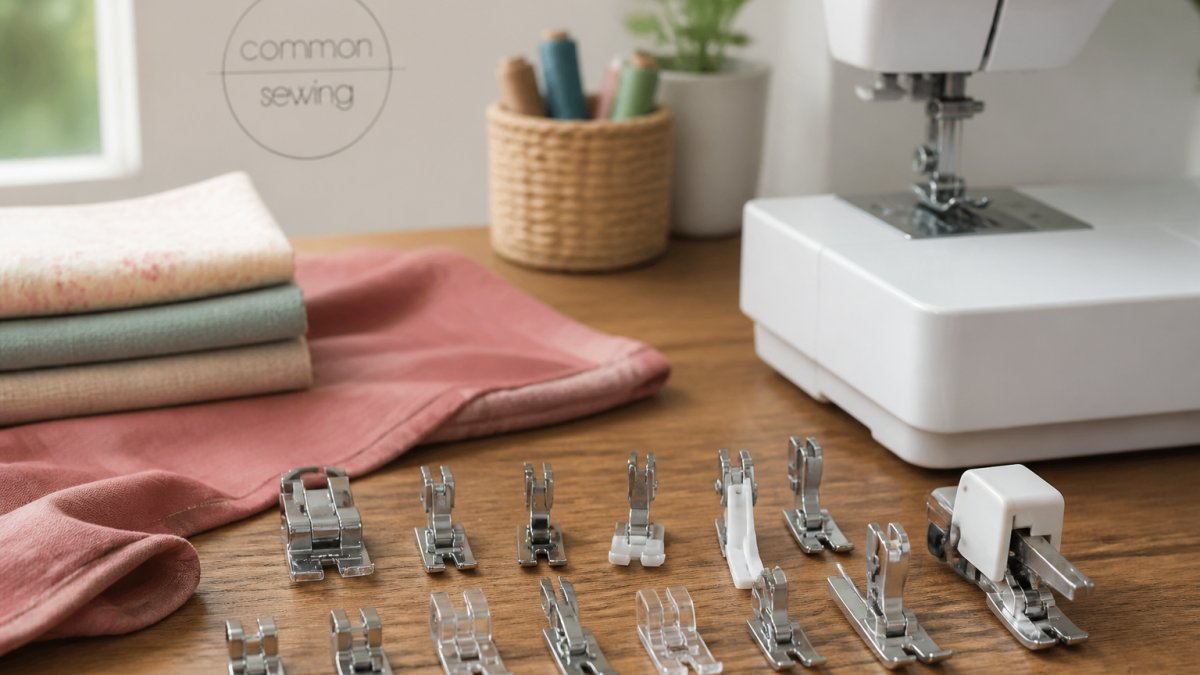
Match the machine to your goals rather than the price tag. Look for adjustable stitch length and width, a reliable presser foot, and easy bobbin access; mechanical machines with fewer digital features often suit beginners better, while garment construction and tailoring later demand one that handles multiple fabric weights and offers stretch stitches.
Tool | Why It Matters | Beginner Priority |
|---|---|---|
Sewing machine | Core stitching, tension control | Essential |
Fabric shears | Clean cuts, no frayed edges | Essential |
Seam ripper | Fixing mistakes without damage | Essential |
The best beginner sewing machine for 2026 is the one you'll actually use. Confirm it handles the fabrics you want, and skip features you won't touch for a year.
How Long to Learn Sewing and How to Master Sewing in 2026
Most people can sew a simple finished project within a few weeks of regular practice, but real comfort with garment construction, fit adjustment, and finishing takes several months of consistent making (extension.psu.edu).
The honest answer depends on three things: how often you practice, whether you follow a sequence, and whether you finish projects. Sewing is a manual dexterity skill, and repetition builds it faster than watching.
To master sewing in 2026, treat it as skill progression, not a checklist: practice weekly, finish every project you start, add one new technique per make (darts, interfacing, a zipper, a hemline), and keep a notebook of what went wrong and how you fixed it.
This is where a structured curriculum beats fragmented tutorials. Common Sewing teaches through projects that build on each other, so each finished piece adds a skill instead of leaving gaps. Bonnie, a photo shoot tailor with 25 years of experience, designed the series around that progression.
Choosing Fabrics and Notions Without Wasting Money
Start with stable, forgiving fabrics: cotton, cotton blends, and linen are easier to handle than slippery or stretchy textiles, and they press well, which matters for finishing.
A common mistake is buying expensive fabric for a first project. Buy affordable cotton, make your mistakes on it, then move to better cloth once your seam allowance and stitch quality are consistent. For notions, buy in small amounts: thread that matches your fabric, a few zippers, elastic, and basic interfacing cover most beginner makes.
Pattern Drafting, Fit Adjustment, and Working Toward Tailoring
Reading a pattern is a skill, and drafting one is the next step. You don't need pattern drafting on day one, but understanding how a pattern is built helps you adjust fit instead of guessing.
Fit adjustment starts with measuring yourself and comparing those numbers to the pattern's finished measurements, not your body measurements alone. From there, adjustments like lengthening a hemline, taking in a side seam, or moving a dart become logical rather than mysterious.
For readers who want to tailor their own clothes eventually, the path runs through pattern grading, textile manipulation, and repeated fitting, built on accurate seams, clean finishing, and a solid understanding of fabric grain.
Digital Tools and Machine Troubleshooting
Digital tools won't sew for you, but they remove friction: pattern apps let you scale and print at home, digital cutting files reduce hand-cutting errors, and a phone camera is useful for photographing your fitting progress.
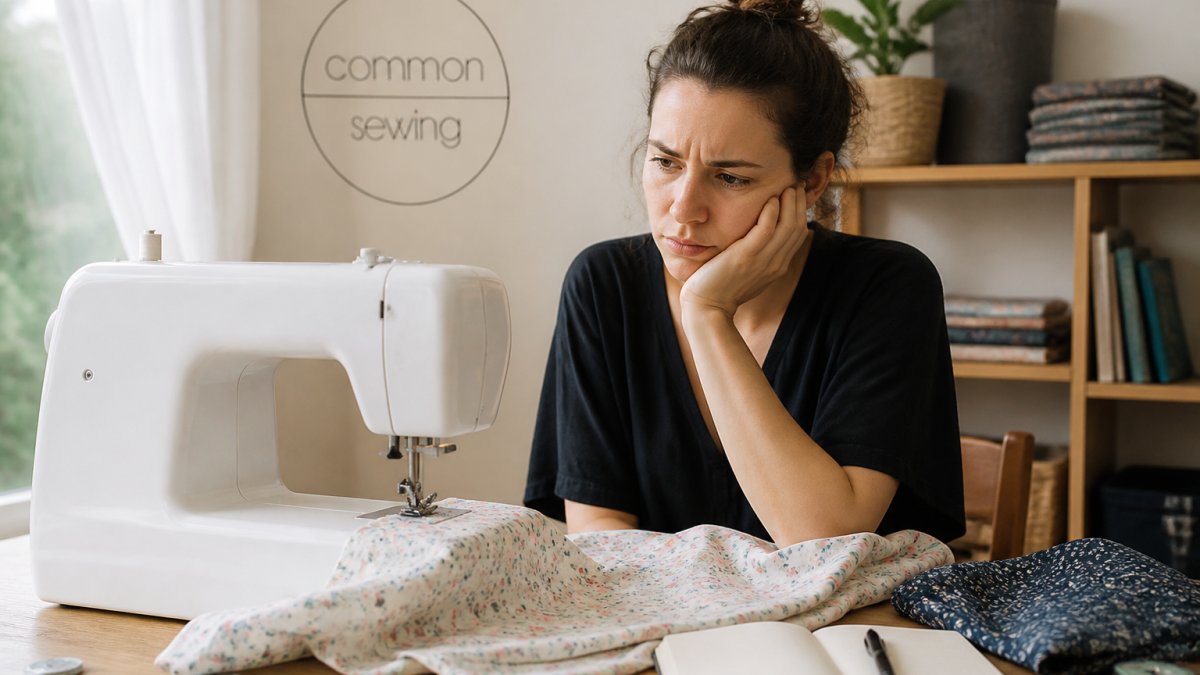
Machine problems are the most common reason beginners quit, and most issues trace to a few causes.
Symptom | Likely Cause | Fix |
|---|---|---|
Loops under fabric | Bobbin tension or threading | Re-thread bobbin, check tension |
Skipped stitches | Dull or wrong needle | Replace needle, match to fabric |
Tangled thread | Poor threading path | Re-thread top and bottom |
Building a Sustainable Wardrobe Through Sewing
Sewing changes how you buy clothes. Once you can repair a hemline, replace a button, or upcycle a worn garment, you stop treating clothing as disposable (the EPA).
Sustainable fashion through sewing isn't only about new makes. It's repair, alteration, and upcycling: fix the pieces you love, tailor the ones that almost fit, and turn worn fabric into something new. That habit builds a wardrobe you actually wear, and it's cheaper than replacing everything.
Textile selection matters too: durable fabrics and finishing techniques that hold up mean your handmade pieces last longer than fast fashion ever will.
Frequently Asked Questions
How long does it take to learn how to sew from scratch?
Most beginners can complete a simple project like a tote bag or pillowcase within a few hours of first sitting at a machine. Reaching the point where you can sew a well-fitting garment usually takes a few months of regular practice. The key is finishing projects in order rather than jumping between tutorials, because each project builds on the skills from the last one.
What is the best beginner sewing machine to buy in 2026?
Look for a machine with adjustable stitch length and width, a reliable bobbin system, and a presser foot that's easy to swap. Mechanical machines with fewer computerized features are often easier for beginners to troubleshoot. Check that the machine includes a basic presser foot and a zipper foot, and confirm replacement needles and bobbins are easy to find locally.
What are the essential sewing tools for a beginner home studio?
You need a sewing machine, sharp fabric scissors, a seam ripper, pins or clips, a tape measure, tailor's chalk, and an iron with a pressing mat. Add a clear ruler, hand sewing needles, and a few spools of all-purpose thread in neutral colors. A seam gauge helps with hemline accuracy, and a small assortment of interfacing is useful once you start garment construction.